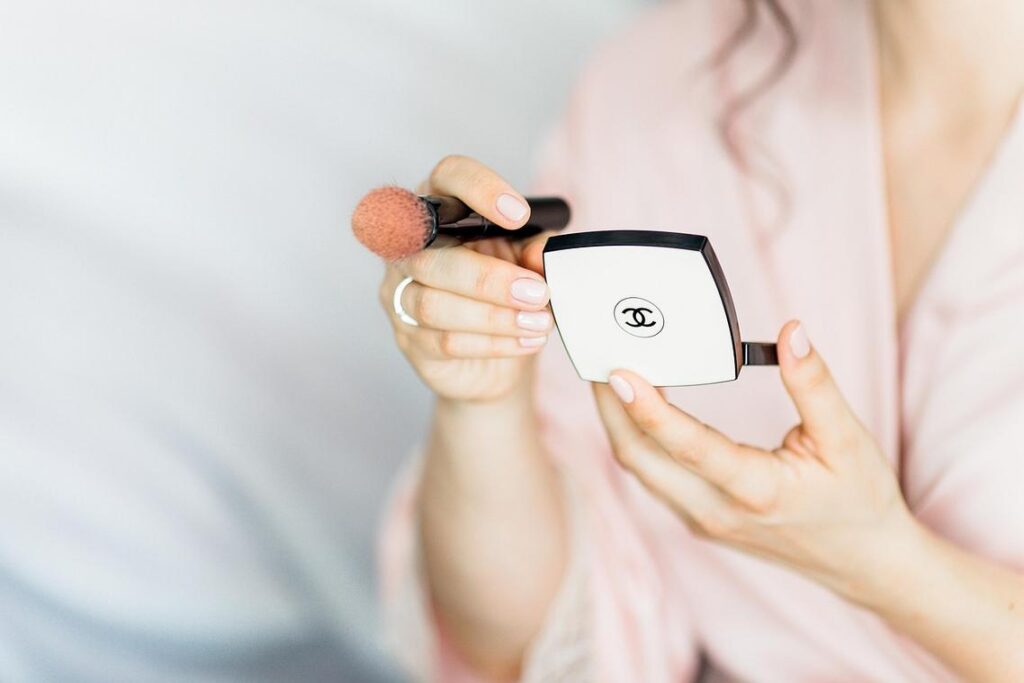
I get asked one question more than any other: what are Higossis brushes made of?
It seems simple on the surface. But the materials in your brush determine everything. How it feels. How it performs. How long it lasts.
Most brands don’t talk about this stuff. They focus on the pretty packaging or the marketing story. We do things differently.
I’m going to walk you through exactly what goes into every Higossis brush. The bristles. The ferrule. The handle. All of it.
You’ll learn why certain materials work better for specific techniques. Why some brushes feel softer than others. What makes a brush hold up after hundreds of washes.
This isn’t about selling you something. It’s about helping you understand what you’re actually putting on your face.
When you know what your tools are made of, you make better choices. You get better results.
Let’s break down the material science behind the brushes in your collection.
The Anatomy of a Higossis Brush: More Than Meets the Eye
You pick up a makeup brush and think it’s just bristles on a stick.
I used to think the same thing.
But when you actually break down what makes a quality brush work, you realize there’s more going on. Three parts work together to give you control and precision.
Let me walk you through what are higossis brush made of.
The bristles. This is the head that touches your face. The material here decides how the brush picks up product and how it feels on your skin. Natural hair works differently than synthetic fibers. Each has its place.
The ferrule. That metal band connecting everything. Most people ignore this part, but it’s what keeps bristles from falling out all over your vanity (or worse, your face mid-application). Cheap ferrules mean a brush that sheds. Good ones? Your brush lasts years.
The handle. The foundation you’re actually holding. Weight matters here. So does shape. A well-designed handle gives you the balance you need for detailed work without your hand cramping up.
When these three components work together properly, you get a tool that feels right. When one part fails, the whole brush becomes frustrating to use.
That’s why Higossis focuses on all three elements instead of just making bristles look pretty.
Because a brush isn’t just about what you see. It’s about what works.
The Heart of Performance: A Deep Dive into Bristle Materials
I’ll never forget the first time I tried applying foundation with a cheap brush.
The bristles felt scratchy. The product soaked into the fibers instead of going on my face. And by the time I finished, half the foundation was stuck in the brush while my skin looked patchy.
That’s when I realized something. The bristles matter more than most people think.
Advanced Synthetic Fibers: The Modern Standard
Here’s what most beauty brands won’t tell you.
Natural hair brushes used to be the gold standard. But that was before we figured out how to engineer synthetic fibers that actually perform better.
I’m talking about proprietary, high-grade synthetic filaments. Advanced Taklon. Custom fiber blends that took years to develop.
These aren’t the stiff plastic bristles you find in drugstore brushes. They’re soft, flexible, and built to work with modern formulas in ways natural hair simply can’t match.
And yes, they’re completely cruelty-free.
Why Synthetics Win
Some makeup artists still swear by natural hair. They say nothing compares to the softness of squirrel or goat hair.
But here’s what they’re missing.
Modern formulas are different now. Your liquid foundation, cream blush, and powder products need bristles that won’t absorb half the product before it touches your skin.
Synthetic fibers are less absorbent. That means more product stays on the surface of the brush and goes exactly where you want it. (Your wallet will thank you.)
They’re also hypoallergenic. No animal proteins means fewer reactions for sensitive skin.
Plus, you can wash them without worrying about the bristles breaking down or losing their shape. Natural hair requires careful maintenance. Synthetics? Just clean them and they bounce right back.
Performance Engineering
Want to know How Does Higossis Brush Made?
It starts with the fiber itself.
We engineer the texture, density, and cut of each bristle to mimic the performance of the finest natural hairs. But without the ethical issues or the performance problems.
The texture needs to feel soft against your skin while still having enough grip to pick up product. Too soft and it won’t work. Too stiff and it feels like scrubbing your face with a broom.
Density determines how much product the brush holds and how it distributes. A dense brush packs on color. A fluffy brush diffuses it.
The cut affects everything. Tapered tips blend better. Flat cuts give precision.
Here’s a simple breakdown:
| Bristle Type | Best For | Why It Works |
|---|---|---|
| Dense, Flat | Foundation, concealer | Packs product onto skin for full coverage |
| Fluffy, Rounded | Setting powder, bronzer | Diffuses product for a natural finish |
| Tapered, Medium Density | Blush, contour | Blends seamlessly without harsh lines |
| Firm, Angled | Brow products, liner | Gives control for precise application |
How to Choose the Right Bristles
Match your bristles to what you’re trying to do.
Need full coverage foundation? Go dense. The bristles should be packed tight so they can buff product into your skin without leaving streaks.
Want a light dusting of powder? Pick something fluffy. Loose bristles pick up just enough product to set your makeup without making it look cakey.
Blending out cream products? You want medium density with soft, tapered tips. They’ll diffuse the edges while still giving you control.
Pro tip: If you’re not sure about density, press the bristles against your hand. Dense brushes barely give. Fluffy ones compress easily.
The right bristles turn a frustrating makeup application into something that actually works.
And that’s the difference between a brush you use once and one you reach for every single day.
The Foundation of Control: Handle Materials and Ergonomics
Most beauty brands will tell you their brush handles are made from premium wood.
Then they slap on some varnish and call it sustainable.
But here’s what they don’t talk about. The wood they use is often heavy and poorly balanced. You end up fighting the brush instead of working with it.
I think that’s backwards.
Sustainably Sourced Wood
We use birch. Not because it sounds fancy but because it’s light and tough.
Every piece comes from FSC-certified forests. That means the wood is tracked from forest to factory. No guessing games about where it came from or whether someone clear-cut a hillside to make your makeup brush.
Some people say certifications are just marketing. That sustainability labels don’t mean anything real.
Fair point. The beauty industry loves greenwashing.
But FSC certification isn’t perfect and it’s still the best system we have. Independent auditors check the forests. They verify replanting. They make sure workers are treated fairly.
When you ask what are higossis brush made of, this is where it starts.
The Perfect Balance
Here’s where most handles fail.
They’re either too short and you cramp your hand, or too long and you lose precision. The weight sits in the wrong place and your wrist does all the work.
We calibrate each handle length to match the brush head size. The weight distribution puts the balance point right where your fingers grip.
What does that actually mean for you?
Your hand doesn’t tire out halfway through a detailed eye look. The brush moves where you want it without fighting back.
The Finishing Touch
The lacquer finish gets multiple layers. Not one thick coat that looks good in photos but chips after two weeks.
Each layer seals the wood against moisture. Because the last thing you need is a handle that swells up or cracks after it gets near your sink.
And yeah, it looks good too. Smooth and clean without feeling slippery.
But the real reason for that finish? Protection. These brushes should last years, not months.
The Unsung Hero: Ferrule Material and Construction
Ever wonder why some brushes fall apart after a few washes while others last for years?
It comes down to the ferrule. That metal band connecting the bristles to the handle.
Most people don’t think about it. But this small piece does all the heavy work.
Why Anodized Aluminum and Plated Brass
We use two metals for our ferrules. Anodized aluminum and plated brass.
Why these specifically?
They’re light. They won’t weigh down your hand during application. But they’re also incredibly strong. Strong enough to hold thousands of bristles in place without bending or warping.
The real win? They resist corrosion and rust. Your brush gets wet every time you clean it. Cheap metals start breaking down fast. These don’t.
The Double-Crimping Method
Here’s where things get interesting.
Most manufacturers crimp the ferrule once and call it done. We crimp twice.
This double-crimping method creates a connection that won’t budge. No wobbling between the handle and bristles. No gradual loosening over time.
It’s also your main defense against shedding. When bristles start falling out, it’s usually because the ferrule wasn’t secured properly. Two crimps solve that problem. I go into much more detail on this in Is Higossis Brush Good for Concealer.
Seamless Construction
The ferrule design is seamless. No gaps or seams where the metal connects.
Why does this matter?
Water and product can’t get trapped inside. That means bacteria doesn’t build up in hidden spots. Your higossis brush stays cleaner between washes.
It also means the ferrule lasts longer. Water trapped in seams causes rust and degradation. Seamless construction prevents that entirely.
What are higossis brush made of? Quality materials at every point. Including the part most people never notice.
Materials Make the Masterpiece
You now know what goes into every Higossis brush.
Advanced synthetic fibers. Sustainable wood. Durable metals that resist corrosion.
These aren’t random choices. Each material serves a purpose in how the brush performs.
Choosing a brush used to feel like guesswork. Now you understand what are higossis brush made of and why it matters for your application.
This combination gives you three things: flawless results, ethical peace of mind, and tools that don’t quit on you.
Here’s what to do next: Browse our collection with fresh eyes. You know exactly how each brush is engineered to work with your technique.
Every stroke you make benefits from materials chosen for performance and longevity. That’s the difference between using any brush and using the right one.