If you’re searching for the latest breakthroughs in beauty, you’re likely looking for more than trends—you want science-backed insights, practical techniques, and innovations that actually improve your routine. This article explores the most impactful developments shaping modern skincare and aesthetics, from ingredient transparency and clinical-grade formulations to sustainable beauty packaging innovations that are redefining how products are designed and delivered.
We’ve analyzed current research, reviewed expert commentary from cosmetic chemists and dermatology professionals, and examined real-world product performance to ensure you’re getting information you can rely on. Whether you’re refining a minimalist routine or experimenting with advanced aesthetic techniques, this guide breaks down what matters, what’s marketing hype, and what truly delivers results.
By the end, you’ll have a clear understanding of today’s beauty essentials—grounded in science, aligned with conscious consumer values, and tailored to help you make smarter, more confident choices.
Each year, the global cosmetics industry produces 120 billion units of packaging—enough to circle the planet multiple times (yes, really). Yet most of those bottles, jars, and tubes are single-use plastic, meaning they’re designed to be thrown away after one swipe or squeeze. In other words, “single-use” means made once, used briefly, then discarded, often into landfills. So what’s changing? This article unpacks sustainable beauty packaging innovations, from refill systems to biodegradable resins. By the end, you’ll understand what terms like “post-consumer recycled” actually mean and how to spot smarter options on store shelves. Luxury can be responsible, too, today.
Traditional beauty packaging looks glamorous on the shelf, but its environmental footprint is anything but pretty. The biggest culprit is virgin plastic—new plastic made from fossil fuels. It’s cheap, lightweight, and durable, which is why brands love it. The problem? According to the OECD, only 9% of plastic waste is recycled globally. The rest is landfilled, incinerated, or leaks into ecosystems.
Then there’s the design flaw. Many products combine materials:
- Plastic bottles with metal springs in pumps
- Compacts with mirrors glued to mixed resins
- Tubes fused with aluminum layers
These mixed components are difficult (sometimes impossible) to separate, making recycling systems reject them.
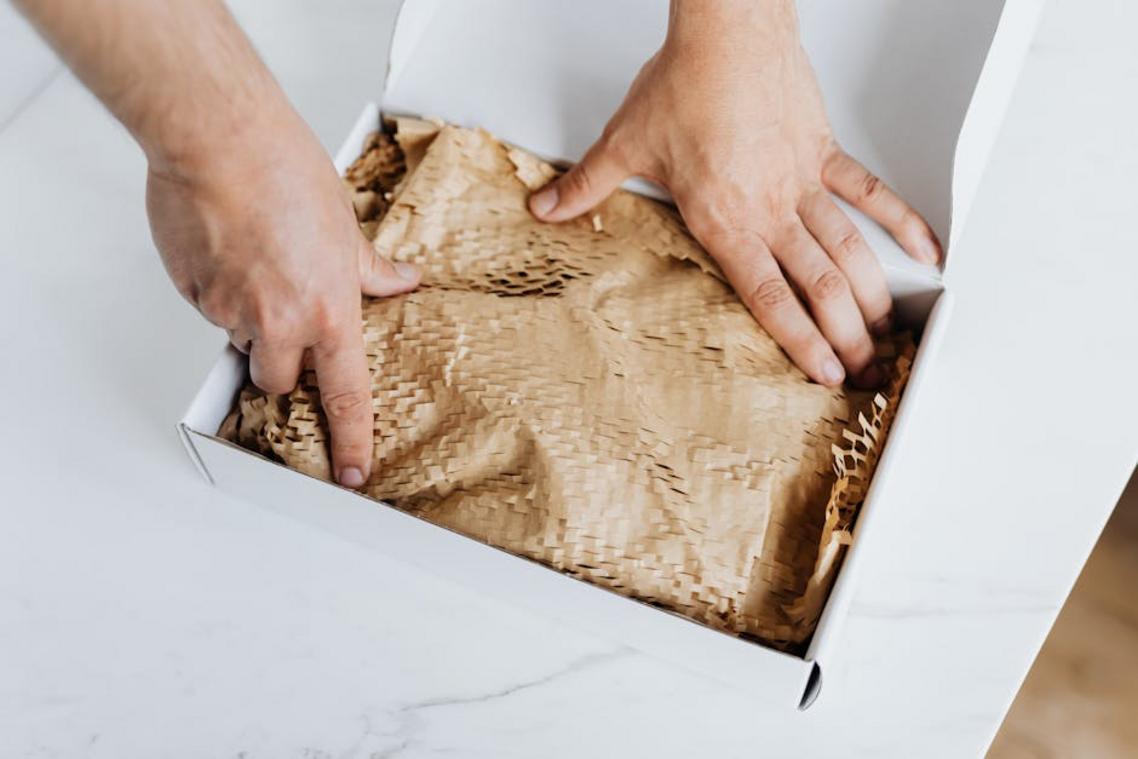
Finally, the “unboxing” moment adds layers of waste—boxes, cellophane wraps, cardboard inserts. While it feels luxurious (like opening a present), most of it goes straight to trash.
Understanding this helps you look for brands investing in sustainable beauty packaging innovations and recyclable designs.
The Refill Revolution: Buying the Product, Not the Package
The “buy once, refill for life” model is beautifully simple: invest in a durable container, then replenish only the formula inside. Instead of tossing a perfectly good lipstick case or shampoo bottle, you keep the sleek outer shell—the cool weight of metal in your palm, the soft click of a magnetic closure—and swap in a fresh core. Over time, that shift dramatically reduces single-use waste (the beauty industry produces over 120 billion units of packaging annually, according to Zero Waste Week).
In practice, refill systems vary. Some stores feature dispensing stations where you hear the gentle whir of product flowing into your bottle. Others offer mail-back pouches or snap-in pods that glide into place with a satisfying click. And yes, sustainable beauty packaging innovations are making these systems more elegant than ever.
Skeptics argue refills can feel inconvenient. However, once the ritual becomes familiar—twisting, pressing, refilling—it’s as routine as charging your phone. Brands in lipstick, foundation, and shampoo have proven that refillables can look luxurious, feel sturdy, and function seamlessly.
Better yet, consumers save money long term while decluttering drawers. Fewer bulky bottles. Fewer rattling caps. Just the products you love, refreshed and ready.
Beyond Plastic: The Next Generation of Sustainable Materials
As beauty brands increasingly turn to sustainable packaging innovations to reduce their environmental impact, many are also embracing Heatless Hairstyling Hacks for Healthier Hair, proving that eco-conscious beauty can go hand in hand with care and creativity.
Plastic had a good run (about 70 years too long), but the future of packaging is getting a glow-up.
Mono-materials—packaging made from a single substance like all-glass or all-aluminum—simplify recycling. Instead of playing “guess the resin code,” facilities process one material stream efficiently. According to the OECD, only 9% of plastic waste is recycled globally (OECD, 2022). Mono-material design reduces contamination and boosts those odds. Pro tip: Aluminum can be recycled indefinitely without losing quality.
Bioplastics and compostables sound interchangeable, but they’re not. Biodegradable means a material breaks down over time (sometimes vaguely defined). Compostable means it decomposes under specific conditions into non-toxic components. Cornstarch, sugarcane, and even seaweed are leading sources. Think of it as packaging that returns to the earth instead of haunting landfills like a clingy ex.
Then there’s mycelium—mushroom roots grown into protective forms—and upcycled materials made from agricultural husks or reclaimed ocean waste. IKEA has experimented with mycelium packaging (IKEA, 2020), proving fungi are more than pizza toppings.
Finally, FSC-certified paper and cardboard are replacing unnecessary plastic where airtight seals aren’t critical. The Forest Stewardship Council ensures responsible sourcing.
These sustainable beauty packaging innovations echo trends seen in skincare culture, much like exploring k beauty routines and their global influence reshaped product expectations. Sustainability, it turns out, is the real main character.
Smarter by Design: How Minimalism and Innovation Reduce Footprints
Waterless & Solid Formulas
“Waterless” simply means a product is made without added water as a primary ingredient. Traditional shampoos can contain up to 80% water (Environmental Working Group), which requires larger plastic bottles to store and ship. Solid formulas—like shampoo bars, conditioner bars, and cleansing balms—remove that excess. No water, no bulky bottle. (It’s skincare Marie Kondo–style: keep only what sparks function.) Some argue bars are inconvenient or less hygienic. In reality, when stored dry between uses, they last longer and reduce packaging waste dramatically.
Eliminating the Unnecessary
“Naked” packaging refers to products sold without secondary boxes, plastic wraps, or decorative layers. The goal is simple: remove what doesn’t protect or preserve the formula. Critics say extra wrapping feels more “luxurious,” but true sustainable beauty packaging innovations focus on performance, not fluff.
Ink and Adhesives
Vegetable-based inks and non-toxic adhesives ensure labels don’t contaminate recycling or compost streams—so the entire package can safely return to the earth.
Your Role on the Shelf: How to Be a Conscious Beauty Consumer
I believe labels are the fine print of your values. Look for recycling symbols and certifications like FSC or Cradle to Cradle; they signal verified sourcing and circular design. If a brand says “eco-friendly,” I get skeptical. Show me percentages of post-consumer recycled material, not vibes. Specifics matter. Supporting companies investing in sustainable beauty packaging innovations tells the market we expect progress. Some argue convenience comes first, but I think your cart is a ballot. Choose transparent brands, and watch the shelf transform. Real change starts with you.
Refillable models, advanced materials, and minimalist design are no longer niche ideas—they’re practical answers to beauty’s waste crisis. The industry produces over 120 billion units of packaging annually, much of it unrecycled (Zero Waste Week). That’s the problem. The proof? Brands adopting sustainable beauty packaging innovations report measurable reductions in plastic use and shipping emissions through lighter, reusable components. Skeptics argue convenience will always win. Yet refill stations are expanding globally, and consumers increasingly favor low-waste options. The path forward is clear: choose smarter packaging, support better systems, and prove glamour and responsibility belong together. The future starts today. Now.
Elevate Your Routine with Smarter Beauty Choices
You came here looking for clarity on how modern beauty is evolving—and now you have it. From smarter skincare science to aesthetic techniques and everyday glam hacks, you’ve seen how intentional choices can transform not just your look, but your confidence.
The real frustration? Wasting money on products that overpromise, routines that overwhelm, and packaging that harms the planet without adding value. Beauty should feel empowering, not confusing or wasteful.
That’s where mindful innovation steps in. Embracing sustainable beauty packaging innovations means you’re not only upgrading your routine but also supporting smarter, more responsible solutions that align with your values. It’s about performance, transparency, and long-term impact.
Now it’s your move.
If you’re ready to simplify your routine, make informed product choices, and stay ahead of modern beauty breakthroughs, start exploring more expert-backed insights and trend spotlights today. Join thousands of beauty enthusiasts who rely on trusted guidance to cut through the noise and elevate their glow with confidence.
Smarter beauty starts with smarter decisions—take the next step now.