
If you’ve ever felt unsure about where to place contour or why certain techniques don’t quite flatter your features, you’re not alone. The truth is, face contouring for face shapes isn’t one-size-fits-all. Different structures—oval, round, square, heart, or long—require strategic shading and highlighting to enhance natural definition rather than fight against it.
This guide is designed to match your search for clear, practical answers. We break down how contour placement shifts depending on your face shape, which areas to sculpt or soften, and how to avoid common mistakes that can throw off balance. Backed by insights from professional makeup artists, dermatology-backed skincare principles, and proven aesthetic techniques, the advice here focuses on results that look seamless in both natural light and photos.
Whether you’re refining your everyday glam or building foundational skills, you’ll learn how to contour with intention—so your features look sculpted, harmonious, and effortlessly defined.
Unlock Your Best Features: A Guide to Face Shape Makeup
Understanding how to contour according to your unique face shape can truly elevate your makeup game, so be sure to check out our guide on essential beauty tips in ‘Nitkafacts‘ for even more expert advice.
Generic tutorials assume every face is oval (as if we’re all default avatars). That’s why results disappoint. Face shape—the overall structure formed by your forehead, cheekbones, and jawline—determines where light and shadow should fall.
Here’s what others miss:
- Measure proportions, not vibes. Compare forehead, cheekbone, and jaw width.
- Assess length vs. width to spot balance gaps.
Use face contouring for face shapes to refine placement of bronzer (adds depth), blush (adds dimension), and highlighter (reflects light).
Some argue technique matters more than structure. True—but precision amplifies artistry. Pro tip: blend upward to subtly lift features.
First, Identify Your Canvas: How to Determine Your Face Shape
Before you try a new haircut or experiment with face contouring for face shapes, you need to know your base structure. Think of it like choosing the right frame for a painting.
The Mirror Method
- Pull your hair back.
- Stand in front of a mirror with good lighting.
- Use a washable marker or lipstick to trace the outline of your face.
- Step back and observe the shape you’ve drawn.
This simple exercise removes guesswork (and yes, it’s oddly satisfying).
Key Characteristics
- Oval: Forehead slightly wider than chin, high cheekbones.
- Round: Width and length nearly equal, soft curves.
- Square: Forehead, cheekbones, and jawline similar in width, strong jaw.
- Heart: Wider forehead tapering to a narrow chin.
- Long (Oblong): Noticeably longer than wide, straighter cheek line.
- Diamond: Cheekbones widest, narrow forehead and chin.
If you’re between shapes, focus on your widest point—that’s usually the giveaway.
The Oval Face: Enhancing Natural Balance
An oval face is often considered the most naturally balanced shape—meaning the forehead, cheekbones, and jawline are already in harmonious proportion. The goal isn’t to reshape, but to refine. And that’s the real benefit: you enhance what’s already working (no drastic sculpting required).
With face contouring for face shapes, subtlety makes all the difference. Apply a soft contour just below the cheekbones and blend upward toward the ears. This creates gentle definition without dragging features down. A light hand keeps the symmetry intact.
Highlight the high points—the center of the forehead, bridge of the nose, tops of the cheekbones, and cupid’s bow. This draws light exactly where it flatters most, giving skin that fresh, lit-from-within effect.
Smile and sweep blush from the apples of your cheeks toward the temples. The upward motion adds lift and keeps the face looking vibrant.
The payoff? Effortless polish, balanced dimension, and a glow that looks like you—just elevated.
The Round Face: Creating Definition and Angles
If you have a round face, the goal is simple: create structure and the illusion of length. In my opinion, THIS is where technique matters more than product. You don’t need heavier makeup—you need smarter placement.
Some argue that round faces should just “embrace softness” and skip sculpting altogether. I disagree. Strategic definition enhances your natural shape; it doesn’t erase it (think subtle filter, not full transformation).
For face contouring for face shapes, use the classic “3” technique. Sweep contour from the temples, under the cheekbones, and along the jawline. This visually narrows the sides of the face and adds angles. Keep it blended—harsh lines defeat the purpose.
Place highlighter in a vertical strip down the forehead, nose bridge, and chin. This draws the eye up and down, elongating your features.
Apply blush slightly below the apples and blend upward toward the temples for lift.
Pro tip: Pair this with advanced brow mapping for symmetry and balance to subtly reinforce structure.
The Square Face: Softening Strong Features
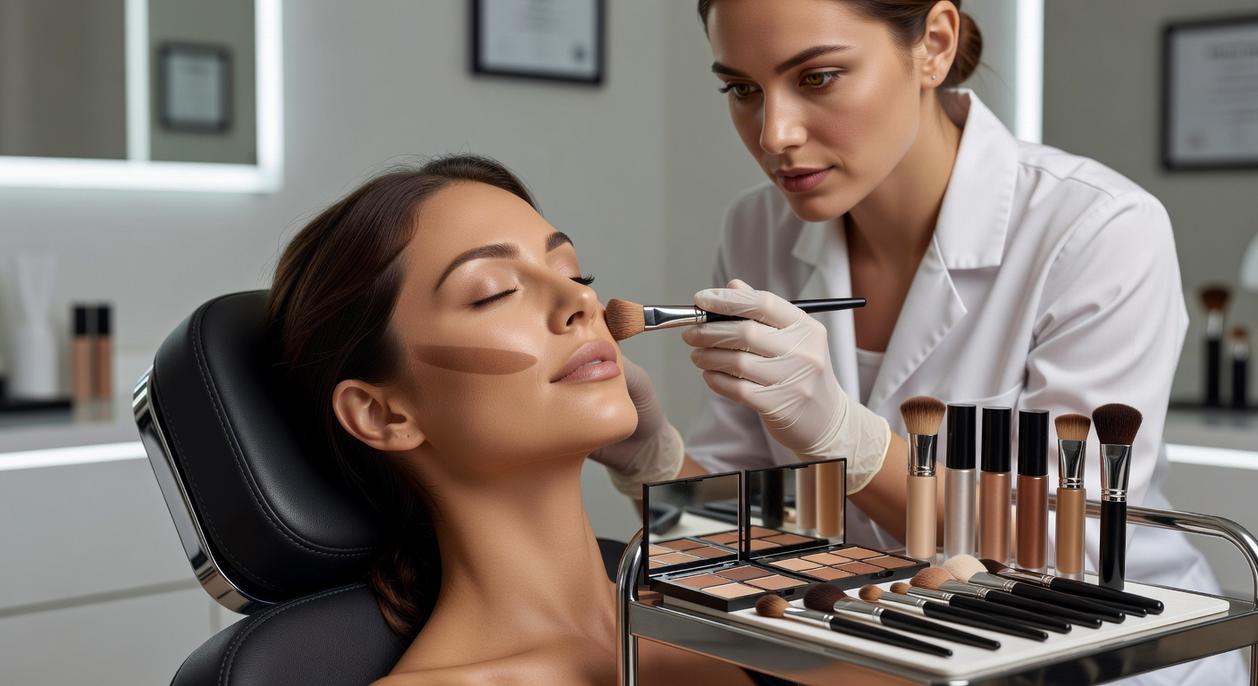
A square face is defined by a broad forehead and a strong, angular jawline. The goal is simple: soften those corners without erasing your natural structure.
Start with contour. Focus specifically on the temples and along the outer jawline. By shading these “corners,” you create the illusion of a more rounded silhouette (think subtle sculpting, not superhero mask). Blend thoroughly; harsh lines defeat the purpose.
Next, highlight the center of the forehead and the tip of the chin. Bringing light inward draws attention away from width and toward balance.
Then, apply blush directly onto the apples of the cheeks using small circular motions. This adds gentle fullness and breaks up sharp angles.
For best results, Use face contouring for face shapes strategically—less product, more blending. Pro tip: cream formulas often melt into strong bone structure more naturally than powders for a seamless finish overall.
The Heart-Shaped Face: Balancing Proportions
A heart-shaped face typically features a wider forehead and a narrower, sometimes pointed chin. The goal is simple: create visual balance by softening the upper face and subtly widening the lower half. With thoughtful face contouring for face shapes, you can shift proportions in surprisingly natural ways.
First, contour strategically. Sweep a matte contour (a shade slightly deeper than your skin tone) along the temples and hairline to reduce the appearance of forehead width. Then, lightly tap a bit onto the tip of the chin to soften sharpness. Keep it blended—harsh lines defeat the purpose.
Where to Add Light and Color
Next, place highlighter along the top of the jawline and at the center of the chin. This draws light downward, creating the illusion of width. For blush, apply just below the apples of your cheeks and blend outward toward the ears. This keeps attention centered (and avoids emphasizing the upper face). Pro tip: build product gradually—subtlety creates the most believable balance.
The Long Face: Creating an Illusion of Width
The goal is simple: make the face appear shorter and wider. With the right placement, you can subtly shift proportions in minutes.
First, apply contour along the hairline at the top of the forehead and along the bottom of the chin. This visually shortens facial length (think of it as cropping a photo slightly at the top and bottom). Next, add highlighter directly to the apples of the cheeks—keep it centered and avoid blending toward the temples. Then, sweep blush horizontally toward your ears to widen the mid-face. This is where face contouring for face shapes truly makes a visible difference.
Your Personalized Beauty Blueprint
You’ve tried trends that ignore your features (so frustrating).
Here’s the shift:
- Learn face contouring for face shapes.
- Test tweaks.
- Keep what boosts confidence.
These are starting points, not rigid rules. Experiment boldly; your mirror—not influencers—decides what truly flatters you. Own it.
Elevate Your Glow With Confidence
You came here wanting clarity on how to enhance your features without guesswork. Now you understand how placement, product choice, and technique work together to bring balance and definition to your look.
The frustration with contouring has always been the same — muddy lines, harsh blends, and results that don’t flatter your unique structure. When you apply face contouring for face shapes correctly, everything changes. Your cheekbones look sculpted, your jawline appears sharper, and your natural beauty stands out instead of being covered up.
The key is practice paired with the right guidance. Keep refining your blending technique, choose tones that complement your undertone, and tailor your contour placement to your individual structure.
If you’re ready to stop wasting products and finally achieve sculpted, balanced results, explore our expert-backed beauty guides and step-by-step tutorials. Thousands of beauty lovers trust our proven techniques to simplify their routine and elevate their glam. Start mastering your contour today and see the difference in your very next look.