If you’ve ever wondered why certain makeup looks instantly enhance your features while others fall flat, the answer often comes down to color theory in makeup artistry. Understanding how shades interact with your skin tone, undertones, eye color, and even lighting can transform the way you approach beauty—turning guesswork into intention.
This article is designed for anyone who wants to move beyond trends and master the fundamentals that make every glam look cohesive and flattering. We’ll break down how complementary and analogous colors work, how to correct and balance the complexion, and how to choose hues that elevate your natural features.
Our insights are grounded in established skincare science, professional artistry techniques, and real-world application—bridging theory with practical, everyday glam hacks you can actually use. By the end, you’ll understand not just what shades to wear, but why they work—so you can create looks that feel polished, modern, and uniquely yours.
Makeup can feel like painting in the dark. You blend, buff, and hope for magic—yet something looks off. That’s where color theory steps in, like a lighting director fixing the spotlight. At its core, color theory in makeup artistry explains how hues interact: complementary colors cancel each other, analogous shades harmonize, and undertones steer choice.
Think of concealer as noise-canceling headphones for your face. Green softens redness; peach brightens shadows. Foundation? It’s matchmaking between pigment and undertone.
• Complementary colors neutralize
• Undertones guide selection
Some argue instinct is enough. But pros rely on principles—because art without theory is guesswork.
The Color Wheel: Your Makeup Application Blueprint
To master the art of color theory in makeup and create harmonious looks that truly pop, you’ll want the right tools in your kit—like the essential Higossis brush, which you can learn more about in our guide – for more details, check out our How to Get Higossis Brush.
Understanding the color wheel isn’t just art-class nostalgia—it’s your shortcut to smarter glam. When you use color theory in makeup artistry, every shade in your bag suddenly makes sense.
Primary Colors (Red, Yellow, Blue) are the building blocks of all other colors. Think of them as the Beyoncé, Taylor, and Rihanna of pigment—everything else samples from them. When you grasp this, choosing flattering tones becomes intentional, not random.
Secondary Colors (Orange, Green, Violet) are created by mixing primaries. Orange blush warms the cheeks, green cancels redness, and violet brightens sallow undertones. The benefit? You stop guessing and start correcting with confidence.
Tertiary Colors—like red-orange or blue-green—are nuanced blends. These are your seamless transition shades in eyeshadow looks, helping everything fade beautifully (no harsh lines, no panic).
To refine your choices, know these terms:
- Hue: the pure color.
- Tint: hue + white (softer pastels).
- Tone: hue + gray (muted sophistication).
- Shade: hue + black (deeper intensity).
Why does this matter? It helps you pick the right lipstick depth, customize contour, and avoid chalky finishes. Master this blueprint, and your makeup stops looking “applied” and starts looking designed. (Pro tip: When in doubt, adjust depth before switching color families.)
Mastering Your Base: The Critical Role of Skin Undertones
Defining Undertones vs. Skin Tones
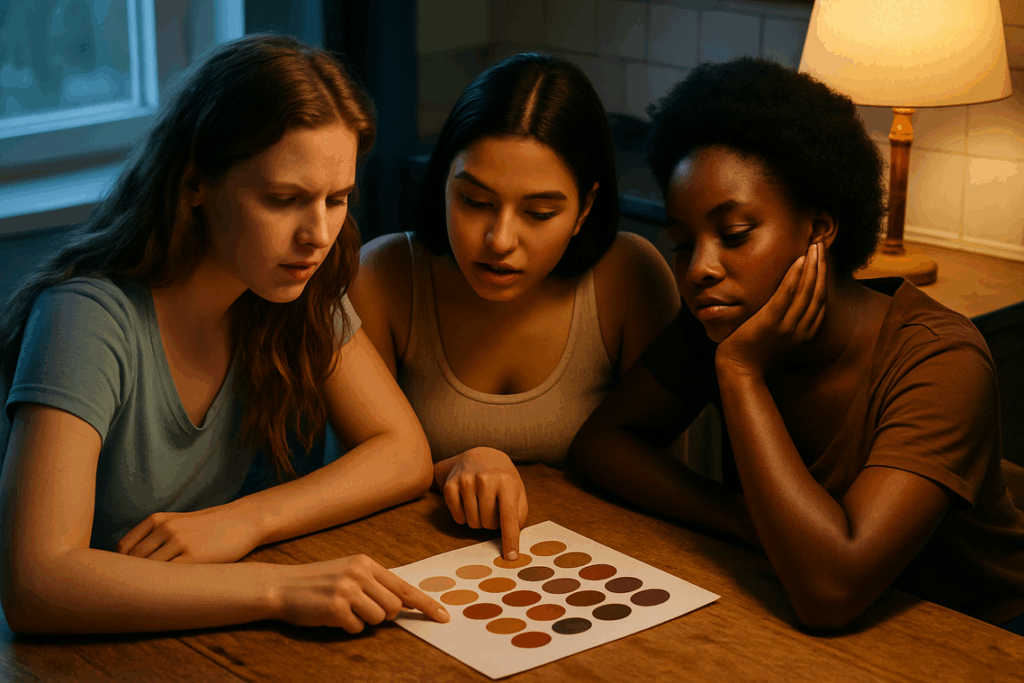
Your skin tone is the surface shade—fair, medium, tan, deep. Your undertone is the subtle hue beneath that surface. It doesn’t change with tanning or breakouts (annoying, but true). Undertones fall into three categories:
- Cool (pink, red, or bluish hints)
- Warm (yellow, peach, or golden hints)
- Neutral (a balanced mix)
Dermatologists note that undertone is influenced by melanin type and blood vessel visibility beneath the skin (American Academy of Dermatology). That’s why two people with “medium” skin can wear completely different foundations.
Identifying Your Undertone
Try these quick tests:
- The Vein Test: Blue or purple veins often signal cool undertones. Green veins suggest warm. A mix? Likely neutral.
- The Jewelry Test: Silver typically flatters cool undertones, while gold enhances warm tones. If both work, you’re probably neutral.
These visual cues align with basic color reflection principles used in color theory in makeup artistry—cool hues harmonize with cool bases, and warm hues complement warm ones.
Why It Matters for a Seamless Base
Here’s the proof in practice: A 2022 consumer cosmetics survey by Mintel found that shade mismatch is the top reason for foundation returns. Most mismatches stem from incorrect undertones.
If you’re cool-toned and wear a warm foundation, it oxidizes into orange. Warm-toned skin wearing cool foundation often turns gray or ashy (the dreaded ghost effect). The fix isn’t darker or lighter—it’s undertone alignment.
Once your base matches, everything else—like face contouring techniques for different face shapes—blends effortlessly.
Pro tip: Always test foundation on your jawline in natural light. Store lighting lies.
Strategic Color Use: How to Correct, Conceal, and Enhance
If you’ve ever layered on concealer only to find that a blemish still peeks through, the issue might not be coverage—it’s color balance. The secret lies in color theory in makeup artistry. In simple terms, complementary colors (shades opposite each other on the color wheel) cancel each other out. When paired correctly, they neutralize unwanted tones instead of piling product on top (because cakey makeup helps no one).
A Practical Guide to Color Correcting
-
Green cancels Red: Green sits opposite red on the wheel, making it ideal for toning down blemishes, rosacea, or irritated spots. Apply a thin layer before foundation and blend softly. Pro tip: Use a small brush for precision rather than your fingers.
-
Peach/Orange cancels Blue/Purple: Dark under-eye circles often have blue or violet undertones. A peach corrector works for fair to medium skin, while deeper skin tones benefit from richer orange hues.
-
Yellow cancels Purple: Yellow correctors help disguise purple-toned veins or minor bruising. Lightly tap it on and set with a translucent powder.
Enhancing Eye Color
Complementary shades don’t just conceal—they enhance. Copper and warm orange tones make blue eyes pop dramatically (think subtle sunset vibes). Plum and violet shades intensify green eyes by contrast. Brown eyes? Lucky you—most tones, especially jewel shades, amplify their depth.
Some argue color correcting is unnecessary if you have full-coverage foundation. But strategic correction often means using less makeup overall—and getting a more natural finish. When you understand the wheel, your makeup works smarter, not harder.
Analogous schemes use colors that sit next to each other on the color wheel—think pink, red, and violet. Because these hues share undertones, they blend seamlessly, creating a soft, harmonious eyeshadow look (like a sunset that actually cooperates). In color theory in makeup artistry, this proximity reduces harsh contrast and flatters most skin tones.
Meanwhile, monochromatic glam sticks to one color family, varying its tints and shades across eyes, lips, and cheeks. The result is modern, chic, and practically foolproof. It’s giving “I woke up coordinated” energy—without the 6 a.m. effort. Honestly, it’s harmony without the drama. Trust your mirror.
Now that you understand the basics, it’s time to put them to work. Use color theory in makeup artistry to move from guesswork to intention. Instead of hoping a shade works, you’ll know why it does.
Start simple:
- Identify your eye color and choose its complementary shade (blue pairs with warm copper, green pops with plum).
- Test the shade on the outer corner first to gauge intensity.
- Blend inward for a balanced finish.
As a result, mismatched tones disappear. In other words, you control the outcome. This week, try one complementary look and watch features come alive.
Mastering Makeup with Confidence and Precision
You came here to better understand how technique, tone, and strategy come together to elevate your makeup results—and now you have the clarity to make smarter, more confident choices. From blending methods to product layering and the power of color theory in makeup artistry, you’ve seen how small adjustments can completely transform your final look.
The real frustration isn’t buying more products—it’s not knowing how to make them work for you. When shades clash, undertones look off, or your glam just doesn’t last, it can feel discouraging. But with the right knowledge and application, those problems become easy fixes instead of daily struggles.
Now it’s time to put this into action. Start applying these techniques intentionally. Audit your makeup kit. Choose shades that complement your undertone. Practice placement with purpose.
If you’re ready to stop guessing and start mastering your look, explore our expert-backed beauty guides and step-by-step techniques trusted by thousands of beauty enthusiasts. Discover the methods top-rated readers rely on—then try them yourself today and see the difference in your very next glam.