
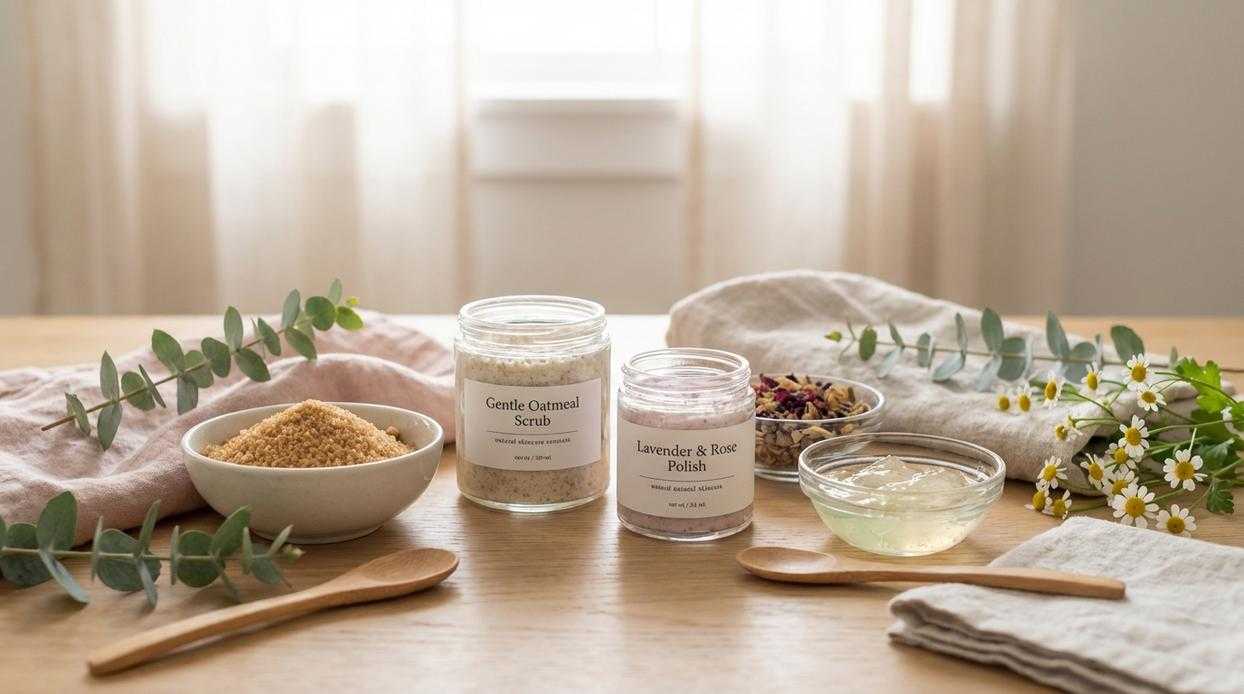
If you’ve ever flipped over a skincare product and felt overwhelmed by the ingredient list, you’re not alone. Many beauty lovers want safer, smarter choices—but aren’t sure which ingredients truly matter and which claims are just marketing. This clean beauty ingredient guide is designed to give you clarity.
In this article, we break down what “clean” really means, highlight ingredients worth embracing, flag common ones to approach with caution, and explain the science behind each category. Whether you’re building a minimalist routine or refining a full glam lineup, you’ll find practical, research-backed insights to help you shop and layer products with confidence.
To ensure accuracy, we referenced peer-reviewed skincare research, dermatologist recommendations, and cosmetic chemistry resources. The goal is simple: cut through confusion and give you trustworthy, easy-to-understand guidance so you can make informed decisions about what goes on your skin every day.
Unlocking Your Skin’s Potential with Nature’s Pantry
“Natural” sounds simple, but in beauty it’s wildly misunderstood. Legally, the term isn’t tightly regulated, so brands can use it loosely (yes, even when formulas are mostly synthetic). That’s where confusion begins.
If you want results without harsh additives, you need clarity—not buzzwords. Think of this as your clean beauty ingredient guide grounded in skincare science.
• Hyaluronic acid: A moisture-binding molecule that hydrates without heaviness.
• Niacinamide: A form of vitamin B3 that calms redness and balances oil.
• Plant oils: Lipid-rich extracts that reinforce the skin barrier.
Natural doesn’t mean weak—it means purposeful, when formulated correctly.
The Ultimate Hydrators: Quenching Thirsty Skin
Think of your skin like a sponge left out in the sun. Without water, it stiffens, cracks, and loses its bounce. The right hydrators act like a steady rainfall—soaking in, sealing moisture, and restoring comfort.
Aloe Vera is the cool glass of water your skin reaches for first. Rich in polysaccharides (long sugar molecules that bind water to skin), it draws hydration into the surface while calming irritation. That’s why it’s a hero after sun exposure—like pressing a chilled compress onto overheated skin. Its soothing properties make it a staple in any clean beauty ingredient guide, especially for sensitive or reactive complexions.
Squalane (from olives or sugarcane) works differently. Imagine it as a perfectly tailored jacket: lightweight, breathable, and designed to fit. Because it closely resembles the skin’s natural lipids (fats that protect and moisturize), it absorbs quickly without a greasy after-feel. All skin types—dry, oily, even acne-prone—can wear it comfortably.
Jojoba Oil is the great mimic. Structurally similar to human sebum (your skin’s natural oil), it “speaks the same language.”
- Dry skin feels replenished.
- Oily skin often balances itself.
Like a thermostat adjusting room temperature, jojoba helps signal when enough oil is enough. The result? Skin that feels hydrated, not heavy.
Radiance Revealed: Antioxidants for a Brighter Complexion
Environmental stressors—like UV rays, pollution, and smoke—generate free radicals, unstable molecules that damage collagen and trigger pigmentation. Antioxidants neutralize these molecules before they wreak havoc (think of them as tiny bodyguards for your glow).
Green Tea Extract: Urban Armor
Green tea extract is rich in epigallocatechin gallate (EGCG), a polyphenol known for potent antioxidant and anti-inflammatory activity. Studies show EGCG helps reduce redness and protect against pollution-induced oxidative stress (Katiyar, 2013). What competitors often miss? Its role in sebum regulation—making it ideal for city dwellers battling both grime and breakouts. It’s not just calming; it’s corrective.
Bakuchiol: The Peaceful Retinol Rival
Bakuchiol, derived from the babchi plant, is often labeled a “natural retinol alternative.” But here’s the nuance: clinical comparisons show bakuchiol improves fine lines and pigmentation similarly to retinol—with significantly less irritation (Dhaliwal et al., 2018). That means support for collagen, elasticity, and tone without flaking or sensitivity. For those hesitant about retinoids, this is strategic skincare, not a compromise.
Rosehip Oil: Regeneration in a Bottle
Cold-pressed rosehip oil contains vitamins A and C plus essential fatty acids that support cell turnover and brighten post-acne marks. Its natural trans-retinoic acid content aids scar fading while reinforcing the skin barrier. (Pro tip: press it onto damp skin to enhance absorption.)
For a broader context on evolving self-care aesthetics, see mens grooming trends transforming modern style.
If you’re building a clean beauty ingredient guide, prioritize multi-tasking antioxidants. Because radiant skin isn’t accidental—it’s defended.
Gentle Giants: Natural Exfoliants and Soothers
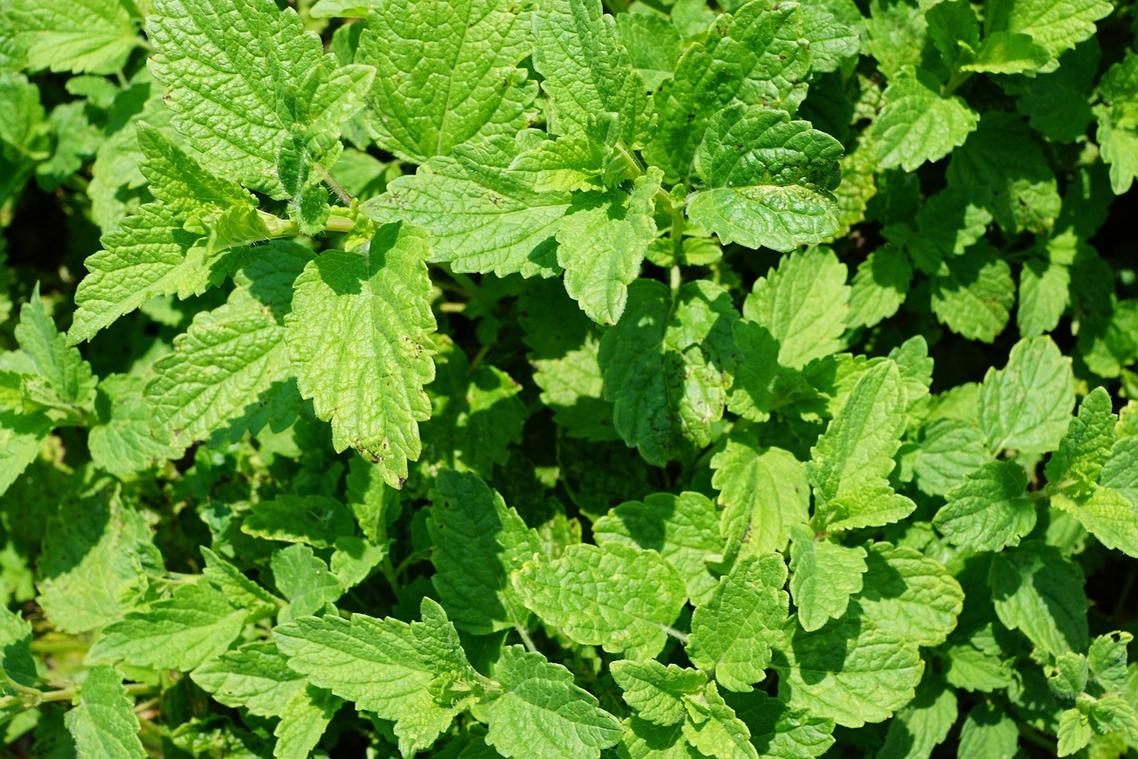
When people hear exfoliation, they often picture harsh scrubs or stinging acids. But not all resurfacing ingredients are aggressive. Some are what I like to call the gentle giants—powerful, yet surprisingly kind to your skin.
Let’s compare your options side by side.
Willow Bark Extract vs. Traditional Salicylic Acid
Willow Bark Extract is a natural source of salicylic acid, a beta hydroxy acid (BHA)—meaning it’s oil-soluble and able to penetrate into pores to dissolve buildup. Traditional synthetic salicylic acid works fast and effectively, but can sometimes cause dryness or irritation, especially for sensitive skin.
Willow bark, on the other hand, releases salicylates more gradually. The result? Gentler exfoliation with less drama. It’s ideal for:
- Congested pores
- Mild to moderate breakouts
- Combination or reactive skin
If synthetic BHA is the high-powered sports car, willow bark is the hybrid—steady, efficient, and less likely to spin out.
Chamomile (Bisabolol) vs. Basic Calming Creams
Chamomile contains bisabolol, a potent anti-inflammatory compound that reduces redness and irritation. While basic moisturizers soothe by adding hydration, bisabolol actively signals skin to calm down. Think post-peel redness or wind-chapped cheeks (we’ve all been there).
Colloidal Oatmeal vs. Lightweight Lotions
Colloidal oatmeal is finely ground oat suspended in liquid, forming a protective barrier over skin. Unlike standard lotions that simply moisturize, it functions as a skin protectant, relieving itching and irritation linked to eczema and dryness (recognized by the FDA as an over-the-counter protectant).
If you’re building a routine from a clean beauty ingredient guide, these three prove you don’t have to choose between results and comfort. Sometimes the strongest move is the softest one.
Smart Integration: How to Add Natural Ingredients to Your Routine
Formulation Is Key
It’s tempting to DIY your skincare (Pinterest makes it look easy), but professionally formulated products are typically safer and more effective. Why? Formulation refers to how ingredients are combined, stabilized, and preserved. A raw oil might feel nourishing, yet without proper stabilization it can oxidize (break down when exposed to air), reducing benefits and increasing irritation risk. Labs also test penetration (how well an ingredient absorbs) and concentration (the amount used for real results). While some argue homemade blends are “purer,” poorly balanced pH levels or contamination can disrupt your skin barrier. A well-made formula delivers results—without guesswork.
The Art of Patch Testing
“Natural” doesn’t mean allergy-proof. Even botanical extracts can trigger contact dermatitis (skin inflammation).
How to patch test:
- Apply a pea-sized amount behind your ear or inner arm
- Wait 24 hours
- Avoid washing the area
- Check for redness, itching, or bumps
No reaction? You’re likely safe to proceed.
Listen to Your Skin
Some believe irritation means a product is “working.” Not true. Persistent stinging or flaking signals imbalance. Use a clean beauty ingredient guide to decode labels and match ingredients to your goals—hydration, brightening, or barrier repair. When you understand features, you choose benefits with confidence.
Step Into Smarter, Safer Beauty Today
You came here looking for clarity—real answers about what goes into your skincare and how it affects your glow. Now you understand how ingredients work, which ones support your skin, and which ones deserve a second look. That confusion at the back of the label? It doesn’t control you anymore.
Navigating modern beauty can feel overwhelming. Misleading claims, complicated formulas, and endless trends make it hard to know what’s truly good for your skin. But with the right knowledge—and a trusted clean beauty ingredient guide—you’re equipped to make confident, skin-loving choices.
Don’t let guesswork sabotage your routine. Start reviewing your current products, swap out questionable ingredients, and build a lineup that supports long-term skin health.
Ready for clearer skin and smarter beauty decisions? Explore more expert-backed skincare insights and ingredient breakdowns today—and take control of your glow with guidance thousands of beauty readers already trust.
 There is a specific skill involved in explaining something clearly — one that is completely separate from actually knowing the subject. Wandamisteca Downey has both. They has spent years working with everyday glam hacks in a hands-on capacity, and an equal amount of time figuring out how to translate that experience into writing that people with different backgrounds can actually absorb and use.
Wandamisteca tends to approach complex subjects — Everyday Glam Hacks, Gossis Aesthetic Techniques, Modern Beauty Basics being good examples — by starting with what the reader already knows, then building outward from there rather than dropping them in the deep end. It sounds like a small thing. In practice it makes a significant difference in whether someone finishes the article or abandons it halfway through. They is also good at knowing when to stop — a surprisingly underrated skill. Some writers bury useful information under so many caveats and qualifications that the point disappears. Wandamisteca knows where the point is and gets there without too many detours.
The practical effect of all this is that people who read Wandamisteca's work tend to come away actually capable of doing something with it. Not just vaguely informed — actually capable. For a writer working in everyday glam hacks, that is probably the best possible outcome, and it's the standard Wandamisteca holds they's own work to.
There is a specific skill involved in explaining something clearly — one that is completely separate from actually knowing the subject. Wandamisteca Downey has both. They has spent years working with everyday glam hacks in a hands-on capacity, and an equal amount of time figuring out how to translate that experience into writing that people with different backgrounds can actually absorb and use.
Wandamisteca tends to approach complex subjects — Everyday Glam Hacks, Gossis Aesthetic Techniques, Modern Beauty Basics being good examples — by starting with what the reader already knows, then building outward from there rather than dropping them in the deep end. It sounds like a small thing. In practice it makes a significant difference in whether someone finishes the article or abandons it halfway through. They is also good at knowing when to stop — a surprisingly underrated skill. Some writers bury useful information under so many caveats and qualifications that the point disappears. Wandamisteca knows where the point is and gets there without too many detours.
The practical effect of all this is that people who read Wandamisteca's work tend to come away actually capable of doing something with it. Not just vaguely informed — actually capable. For a writer working in everyday glam hacks, that is probably the best possible outcome, and it's the standard Wandamisteca holds they's own work to.