
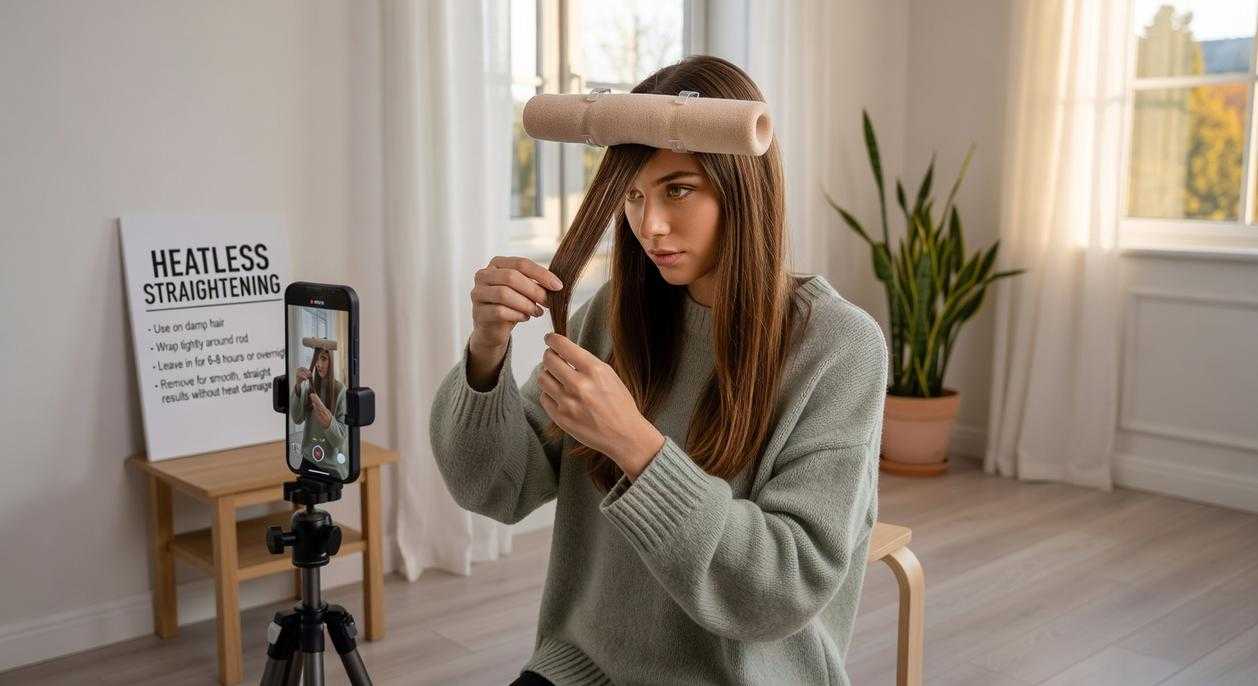
If you’re searching for ways to style your hair without heat damage, you’re not alone. More people are turning to heatless hairstyling methods to protect their strands while still achieving polished, everyday looks. This article is designed to give you exactly that: practical, science-backed techniques that help you minimize breakage, retain moisture, and maintain long-term hair health—without sacrificing style.
We’ll break down how heat affects the hair shaft, why certain no-heat techniques work better than others, and which tools and products actually support lasting results. From effortless overnight waves to sleek, damage-free finishes, you’ll find step-by-step guidance tailored to modern routines.
Our content draws on current skincare and haircare science, professional aesthetic techniques, and real-world testing of trending beauty methods. The goal is simple: give you reliable, easy-to-follow strategies that protect your hair while helping you look put together—every single day.
Unlock Beautiful Styles, Ditch the Damage
Everyone wants glossy, styled hair, yet many of us fear the slow creep of split ends, dryness, and breakage. So how do you create polished looks without reaching for flat irons, curling wands, or blow dryers? Think of heat as a scorching sun on delicate fabric; over time, it weakens the threads. Instead, imagine styling your hair like setting clay, gently shaping it while it cools and rests. That’s where heatless hairstyling methods come in. From beachy waves to bouncy curls and smoother strands, this guide helps you style without plugging anything in beautifully.
The Foundation for Flawless Heatless Hair
As you explore heatless hairstyling hacks for healthier hair, don’t forget to check out our tips on Advanced Brow Mapping for Symmetry and Balance to complete your polished look.
Great styling starts before the braid, wrap, or twist. In my opinion, the biggest mistake people make with heatless hairstyling methods is beginning with soaking wet hair. Hair should be about 70–80% dry—damp, not dripping. I like to gently towel-blot (never rub—friction is the frizz villain) and let it air-dry the rest of the way. This “almost dry” stage helps the shape set without that awkward, still-wet-the-next-morning surprise.
Product is non-negotiable. Think of it as scaffolding for your style:
- Lightweight mousse for hold and lift
- Leave-in conditioner for moisture and elasticity
- Smoothing cream to seal the cuticle and fight frizz
Skipping product is like baking without flour (it might look hopeful, but it won’t hold).
Finally, detangle with a wide-tooth comb. Start at the ends and work upward to prevent breakage. Smooth strands set smoother styles—always.
How to Create Stunning Waves and Curls Without Heat
If you’ve ever side-eyed your curling iron and thought, there has to be a better way, you’re right. Use heatless hairstyling methods to protect your cuticle (the outer protective layer of the hair shaft) while still getting red-carpet texture. Let’s break down the techniques most guides skim over—and how to make them actually work.
The Braiding Method
Different braids = different wave patterns (this is where most tutorials get vague).
- Three-strand braid: Creates classic “S” waves. Braid damp—not wet—hair for softer definition.
- Two French braids: A French braid incorporates hair as you go, giving uniform waves from root to tip (great for flat crowns).
- Rope braid: Twist two sections in the same direction, then wrap them around each other in the opposite direction. This tension creates tighter, more defined ripples.
Counterargument: Some say braids cause frizz. True—if hair is too dry. Lightly mist with leave-in conditioner before braiding (pro tip: silk scrunchies prevent dented ends).
The Headband or Robe Tie Trick
This viral favorite isn’t just TikTok hype.
- Start with slightly damp hair.
- Place a soft headband or robe tie over your crown.
- Wrap 1–2 inch sections around it, adding hair as you go.
- Secure ends with scrunchies.
- Leave overnight.
The result? Loose, large-barrel curls without hot tools. If you crave volume, wrap away from the face for that subtle “blowout” effect (very old-Hollywood-meets-modern-supermodel).
Classic Pin Curls
A pin curl is a small coiled section pinned flat to the scalp. The tighter the coil, the tighter the curl. This method gives surgical control over placement—perfect for vintage glam. Yes, it takes patience. But so did winged liner the first time.
Foam Rollers and Flexi-Rods
Roller size dictates curl tightness: large rollers = body; small rods = ringlets. Roll upward for root lift or downward for ends-only bounce. Modern foam rollers are surprisingly sleep-friendly.
And if you’re organizing your styling tools, check out these smart makeup storage ideas for small spaces.
Achieving Smoother, Straighter Styles Sans Iron

If you crave sleek strands without the sizzle of hot tools, these techniques deliver shine, smoothness, and long-term hair health. In other words, you get the polish—minus the damage.
The Hair Wrapping Technique (Doobie Wrap) relies on gentle tension instead of heat. By combing damp hair in one continuous direction around your head and securing it with a silk or satin scarf, you help flatten the cuticle (the hair’s outer protective layer). As it dries, the smooth fabric reduces friction and frizz. The payoff? Softer, straighter hair by morning—no flat iron required (and no burnt ends either).
Jumbo Rollers for Tension and Body offer a different advantage. Using the largest plastic or Velcro rollers pulls hair taut while it dries. This stretching effect encourages a straighter finish, yet maintains body and movement. Think blown-out supermodel volume, not tight curls. Plus, you’ll avoid the dryness that frequent heat styling can cause.
Finally, The Cool Air Method mimics a salon blowout—without actual heat. Use the cool shot button exclusively, aiming the nozzle downward along the hair shaft while brushing. This seals the cuticle and boosts shine. Use heatless hairstyling methods consistently, and you’ll notice stronger strands, fewer split ends, and lasting smoothness.
Your Heatless Styling Toolkit: Products for Success
For Hold and Structure: A quality styling mousse gives hair “memory,” meaning it helps strands maintain a set shape after drying. Research published in the Journal of Cosmetic Science notes that polymer-based styling foams create flexible films around the hair shaft, improving curl retention without stiffness. That’s essential when using heatless hairstyling methods, where structure must come from product—not a curling iron.
For a Polished Finish: A lightweight serum or hair oil smooths the cuticle (the hair’s outer layer), which reflects more light and reduces frizz. Studies show smoother cuticles scatter less light, resulting in visibly shinier hair. One drop is usually enough (more isn’t better).
For Longevity: Flexible-hold hairspray uses pliable resins to lock in shape while allowing movement—think bounce, not helmet hair.
For Overnight Protection: Silk or satin pillowcases reduce friction compared to cotton, minimizing breakage and frizz, according to textile friction studies. Pro tip: wrap styles loosely to preserve volume.
Embrace your hair’s health and versatility doesn’t mean sacrificing beauty; rather, it means rethinking your routine. Beautiful hair can thrive without constant heat, and over time those breaks often lead to stronger, shinier strands. Admittedly, results vary by hair type, and experts still debate how much heat is too much. Still, giving your hair recovery days is rarely a bad idea (your future self will thank you). Moreover, the techniques you’ve explored prove styling can be flexible. From braids to buns, heatless hairstyling methods open creative doors. So, experiment boldly, adjust as needed, and discover your new go-to damage-free hairstyle.
Elevate Your Everyday Glam with Smarter Hair Choices
You came here looking for ways to style your hair without unnecessary damage, stress, or wasted time — and now you know it’s absolutely possible. By embracing heatless hairstyling methods, understanding your hair’s natural texture, and using smarter prep techniques, you can create polished, modern looks while protecting your strands.
The real frustration isn’t just frizz or flat roots — it’s feeling like great hair requires heat damage or hours in front of the mirror. It doesn’t. With the right approach, you can get shine, shape, and hold while keeping your hair healthier long term.
Now it’s your move. Start incorporating one or two heatless hairstyling methods into your weekly routine and pay attention to how your hair responds. If you’re ready for more science-backed beauty tips, aesthetic techniques, and easy glam upgrades trusted by thousands of beauty lovers, explore our latest guides and try a new method today. Your healthiest, most effortless hair starts now.
 There is a specific skill involved in explaining something clearly — one that is completely separate from actually knowing the subject. Othrian Dornhaven has both. They has spent years working with everyday glam hacks in a hands-on capacity, and an equal amount of time figuring out how to translate that experience into writing that people with different backgrounds can actually absorb and use.
Othrian tends to approach complex subjects — Everyday Glam Hacks, Gossis Aesthetic Techniques, Specialty Reads being good examples — by starting with what the reader already knows, then building outward from there rather than dropping them in the deep end. It sounds like a small thing. In practice it makes a significant difference in whether someone finishes the article or abandons it halfway through. They is also good at knowing when to stop — a surprisingly underrated skill. Some writers bury useful information under so many caveats and qualifications that the point disappears. Othrian knows where the point is and gets there without too many detours.
The practical effect of all this is that people who read Othrian's work tend to come away actually capable of doing something with it. Not just vaguely informed — actually capable. For a writer working in everyday glam hacks, that is probably the best possible outcome, and it's the standard Othrian holds they's own work to.
There is a specific skill involved in explaining something clearly — one that is completely separate from actually knowing the subject. Othrian Dornhaven has both. They has spent years working with everyday glam hacks in a hands-on capacity, and an equal amount of time figuring out how to translate that experience into writing that people with different backgrounds can actually absorb and use.
Othrian tends to approach complex subjects — Everyday Glam Hacks, Gossis Aesthetic Techniques, Specialty Reads being good examples — by starting with what the reader already knows, then building outward from there rather than dropping them in the deep end. It sounds like a small thing. In practice it makes a significant difference in whether someone finishes the article or abandons it halfway through. They is also good at knowing when to stop — a surprisingly underrated skill. Some writers bury useful information under so many caveats and qualifications that the point disappears. Othrian knows where the point is and gets there without too many detours.
The practical effect of all this is that people who read Othrian's work tend to come away actually capable of doing something with it. Not just vaguely informed — actually capable. For a writer working in everyday glam hacks, that is probably the best possible outcome, and it's the standard Othrian holds they's own work to.