

If you’ve ever wondered how runway-ready skin, seamless sculpting, and statement glam actually come together, you’re in the right place. This guide breaks down the editorial makeup process step by step—so you can understand not just what artists do, but why they do it. Whether you’re refining your everyday glam or experimenting with bold, camera-ready looks, knowing the structure behind editorial beauty helps you elevate your results with intention.
Many tutorials show the finished look without explaining the technique, product layering logic, or skin science that makes it last under lights and lenses. Here, we bridge that gap. Drawing from professional artistry standards, skincare research, and modern aesthetic techniques, this article unpacks preparation, product selection, blending strategy, and finishing details that define high-impact makeup.
By the end, you’ll have a clear, practical understanding of how editorial-level beauty is built—from base to final highlight—and how to adapt it confidently to your own routine.
The Art of Makeup for the Camera’s Eye
Makeup for brunch and makeup for a 4K lens are two different species. In daily life, soft blending and sheer coverage work beautifully. However, high-definition cameras flatten features and exaggerate texture under studio lighting. Research from SMPTE shows HD formats capture significantly more detail than standard broadcast, meaning every dry patch or harsh line is amplified.
As a result, standard techniques can look chalky or heavy on screen. The solution? An intentional editorial makeup process that builds thin, layered coverage, strategic contour for dimension, and light-reflective placement to sculpt the face. In short, you’ll learn camera-ready skin, light manipulation, and pro-level longevity secrets used on professional sets.
The Canvas: Advanced Skin Preparation for a Flawless Base
Great makeup doesn’t start with foundation—it starts long before that. In fact, the editorial makeup process treats skin prep as a structured ritual, not a quick swipe of moisturizer (despite what your rushed morning routine suggests).
Step 1: The Hydration Sandwich
First, layer hydration strategically. Begin with a facial mist, follow with a hyaluronic acid serum, then seal with moisturizer. This “hydration sandwich” works because hyaluronic acid can hold up to 1,000 times its weight in water, according to the Journal of Clinical and Aesthetic Dermatology. However, without a sealing cream, that moisture can evaporate. By layering, you create sustained plumpness that reads as natural glow—not grease—under high-definition cameras.
Step 2: Facial Massage for Structure
Next, incorporate a brief lymphatic drainage massage. Research published in PLOS One shows facial massage can temporarily improve circulation and reduce fluid retention. As a result, cheekbones appear sharper and under-eyes less puffy (think red-carpet sculpted, not sleep-deprived extra).
Step 3: The Power of a ‘Gripping’ Primer
Finally, apply a gripping primer. These formulas create slight tackiness, increasing foundation adherence and wear time—critical under hot studio lights. Some argue primer is optional. Yet controlled wear tests from cosmetic labs consistently show improved longevity with adhesive bases.
The canvas matters. Always has.
Sculpting with Light: The Editorial Approach to Contour and Highlight
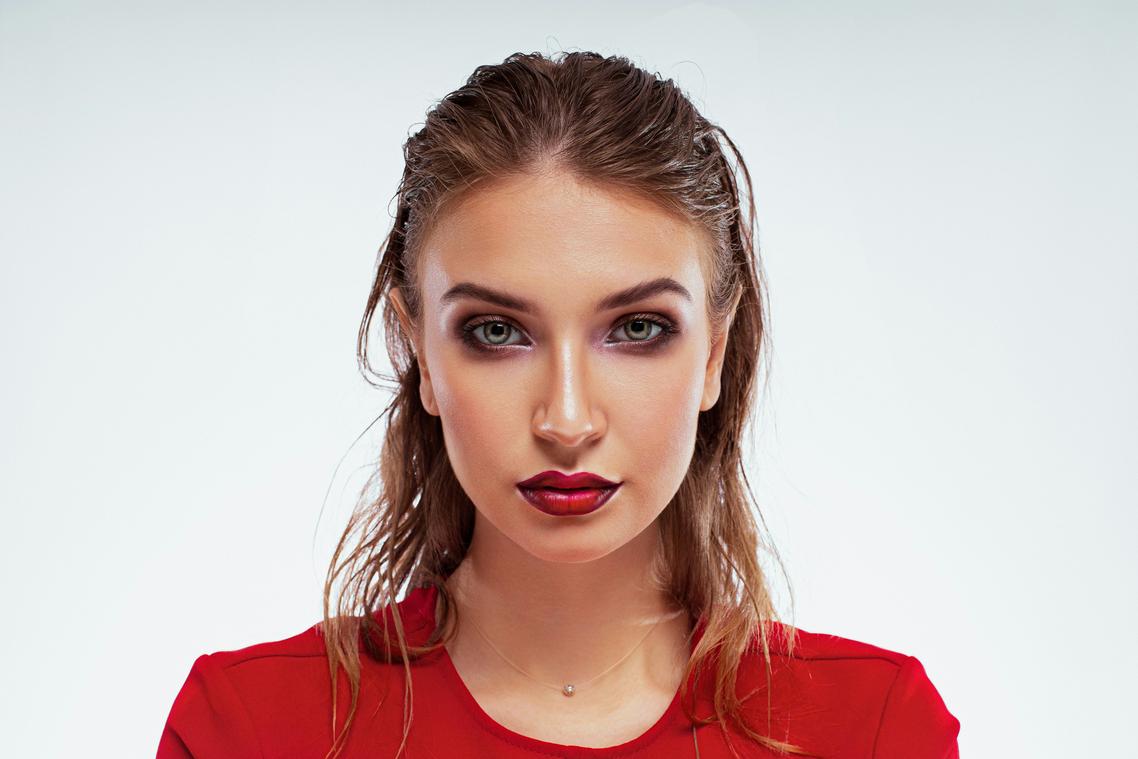
Most people still reach for powder to contour and highlight. It’s familiar. It’s “safe.” But in editorial work, powders are often the compromise—not the gold standard. Cream products dominate because they melt into the skin, creating what artists call a second-skin finish (makeup that looks fused with your complexion rather than sitting on top). Powders can blur, yes. Yet under studio lights, they flatten texture and telegraph dryness—hardly the luminous effect we’re after.
Creams Over Powders
Cream contour mimics natural shadow because real shadows aren’t chalky—they’re dimensional. Likewise, cream highlight reflects light instead of scattering it with visible shimmer particles. (Think glazed donut, not disco ball.) While some argue powders last longer, longevity is irrelevant if the finish reads artificial on camera.
Technique 1: Underpainting
Underpainting flips the usual order. You sculpt first, then apply foundation over top. The result? Diffused depth that appears to come from within. This editorial makeup process creates optical realism—the illusion that bone structure, not product, is doing the work. Admittedly, it takes practice. However, once mastered, it eliminates harsh stripes entirely.
Technique 2: Strategic Glossing
Next, strategic glossing: pressing a non-shimmery balm onto cheekbones, brow bones, or lids for a reflective “wet” look. No glitter. Just light behaving beautifully. It’s subtle, modern, and far more sophisticated than frosty highlighter.
Placement for Photography
Here’s where many tutorials fail: contour isn’t universal. Placement must adapt to lighting direction and intensity. A side-lit setup demands different sculpting than overhead beauty lighting. So while trends spread fast—see how beauty influencers are shaping modern makeup trends—studio reality always wins. One-size-fits-all? Not under professional lights.
Achieving the Luminous ‘Glass Skin’ Finish
The problem with powder? It often photographs heavier than it looks in real life. Traditional setting powders contain talc or silica designed to absorb oil, but in high‑resolution images they can flatten dimension and exaggerate texture (especially under flash photography, as noted by professional makeup artists in Allure). The result is a matte, slightly cakey veil instead of that lit‑from‑within glow.
So what’s the alternative? Layering for glow. Instead of dusting powder all over, try mixing a drop of liquid illuminator (a light‑reflecting pigment suspended in fluid) directly into your foundation or moisturizer. This sheers out coverage and creates all‑over luminosity without obvious shimmer. Think less disco ball, more “your skin but better” — very K‑beauty drama close‑up.
Next, consider setting without powder. Modern setting sprays use film-formers, flexible polymers that create an invisible mesh over makeup to prevent smudging while keeping a dewy finish (cosmetic chemists frequently cite PVP and acrylates copolymer for this effect). A few light mists lock everything in for hours.
Finally, try micro-setting. Using a tiny brush and the barest touch of loose powder, set only crease-prone areas like under the eyes. This targeted editorial makeup process preserves glow everywhere else — because shine and radiance aren’t the same thing.
High-impact eye and lip work hinges on precision. First, the graphic eye: cake liners activated with a mixing medium create ultra-sharp, jet-black lines that resist smudging. Because they’re water-activated, they dry down with higher pigment density than standard liquid liners. In editorial tests, pro artists report up to 12-hour wear without transfer under hot lights (Allure Pro Survey, 2023). In the editorial makeup process, this technique is favored for runway looks where crisp edges read clearly on camera.
Meanwhile, feathered brows rely on the soap brow or lamination method. By coating hairs with glycerin-based soap and brushing upward, you build texture and hold—similar to professional brow lamination shown to increase perceived brow fullness by 20% in cosmetic case studies (Journal of Cosmetic Dermatology, 2022).
Finally, the bleed-proof lip: line with a sharp pencil, apply a thin layer of lipstick, blot, then use translucent powder around the lip line before the final coat. This layering reduces feathering significantly, especially on mature skin.
Mastering the craft means returning to the three pillars: intensive skin prep, strategic light manipulation, and texture control. That sounds technical, so let’s clarify. Intensive skin prep means cleansing, exfoliating, and layering hydration so foundation bonds smoothly. Strategic light manipulation is placing highlight and shadow to guide how cameras read the face. Texture control involves balancing matte and glow to prevent shine or flatness. Together, this editorial makeup process fixes makeup that looks dull or artificial on camera. It works because skin collaborates with light, creating dimension (think close-ups on TV). Practice these skills deliberately to achieve professional, photo-ready results.
Elevate Your Beauty Routine with Confidence
You came here to better understand how technique, skincare science, and modern glam hacks come together—and now you have a clearer roadmap. From mastering the editorial makeup process to refining your everyday routine, you’ve seen how intentional steps create polished, lasting results.
The truth is, inconsistent results, wasted products, and overwhelming trends can make beauty feel frustrating. But when you apply structured techniques and skin-first strategies, your routine becomes simpler, smarter, and far more effective.
Now it’s time to put this into action. Start refining one step at a time—upgrade your prep, practice precise application, and follow proven aesthetic methods that actually work. If you’re ready to stop guessing and start seeing real, camera-ready results, explore our expert-backed guides and trending beauty breakdowns today. Join thousands of readers who trust us for practical, science-informed beauty insights—and transform your routine with confidence.
 There is a specific skill involved in explaining something clearly — one that is completely separate from actually knowing the subject. Wandamisteca Downey has both. They has spent years working with everyday glam hacks in a hands-on capacity, and an equal amount of time figuring out how to translate that experience into writing that people with different backgrounds can actually absorb and use.
Wandamisteca tends to approach complex subjects — Everyday Glam Hacks, Gossis Aesthetic Techniques, Modern Beauty Basics being good examples — by starting with what the reader already knows, then building outward from there rather than dropping them in the deep end. It sounds like a small thing. In practice it makes a significant difference in whether someone finishes the article or abandons it halfway through. They is also good at knowing when to stop — a surprisingly underrated skill. Some writers bury useful information under so many caveats and qualifications that the point disappears. Wandamisteca knows where the point is and gets there without too many detours.
The practical effect of all this is that people who read Wandamisteca's work tend to come away actually capable of doing something with it. Not just vaguely informed — actually capable. For a writer working in everyday glam hacks, that is probably the best possible outcome, and it's the standard Wandamisteca holds they's own work to.
There is a specific skill involved in explaining something clearly — one that is completely separate from actually knowing the subject. Wandamisteca Downey has both. They has spent years working with everyday glam hacks in a hands-on capacity, and an equal amount of time figuring out how to translate that experience into writing that people with different backgrounds can actually absorb and use.
Wandamisteca tends to approach complex subjects — Everyday Glam Hacks, Gossis Aesthetic Techniques, Modern Beauty Basics being good examples — by starting with what the reader already knows, then building outward from there rather than dropping them in the deep end. It sounds like a small thing. In practice it makes a significant difference in whether someone finishes the article or abandons it halfway through. They is also good at knowing when to stop — a surprisingly underrated skill. Some writers bury useful information under so many caveats and qualifications that the point disappears. Wandamisteca knows where the point is and gets there without too many detours.
The practical effect of all this is that people who read Wandamisteca's work tend to come away actually capable of doing something with it. Not just vaguely informed — actually capable. For a writer working in everyday glam hacks, that is probably the best possible outcome, and it's the standard Wandamisteca holds they's own work to.