

Ever tried countless skincare products, hoping to fix acne or dryness, only to end up frustrated (and with a lighter wallet)? You’re not alone. The real culprit often lurks beneath the surface: your skin’s pH.
It’s that invisible factor that can make or break your skincare routine.
Why does skin pH balance matter so much? Because it’s the foundation for healthy, glowing skin. This guide?
It’s your roadmap to understanding and mastering it. By the end, you’ll know not just what it is, but how to restore it effectively.
I’ve spent years diving into skincare science, committed to giving you advice that actually works, not just surface-level tips. Say goodbye to that cycle of irritation. Let’s get your skin to a place of consistent health and resilience.
Ready to uncover the secret?
Skin Science: pH and the Acid Mantle
Ever heard of skin pH balance? It’s like the climate of your skin, needing to be just right. Too acidic or too alkaline, and things go haywire.
The pH scale runs from 0 to 14. Your skin’s sweet spot? Between 4.7 and 5.75.
Here’s where the acid mantle comes in. Think of it as a superhero cape, invisibly protecting your skin. It’s a thin film made of sebum (that oily stuff) and sweat.
Why slightly acidic? It helps your skin stay happy and healthy.
This mantle does two big jobs. First, it keeps moisture locked in, making your skin feel hydrated and supple. Second, it shields you from the nasty stuff.
Bacteria, viruses, and pollution.
Now, why do we care about this? Because when your skin’s pH is off, it can lead to all sorts of problems. Dryness, irritation, even acne.
Nobody wants that. So, maintaining this balance is more important than you might think. It’s like keeping your garden soil just right for plants to thrive.
And speaking of protection, ever wondered how sunscreen protects scientific? Sunscreen is another layer of defense, complementing your acid mantle. It blocks harmful UV rays, which is key since those rays can disrupt your skin’s pH and mantle.
Pro tip: keep an eye on your skincare products. Some can throw off your pH. Stick to those that respect your skin’s natural balance.
Ultimately, understanding skin pH and the acid mantle isn’t just for beauty geeks. It’s about practical skin health. And who doesn’t want that?
Signs of Imbalance: When Your Skin’s pH is Off
Skin That’s Too Alkaline
I’ve been there, my skin feeling like a desert. Tight, dry, and a little too eager to age. When your skin’s pH is too high, it can’t hold moisture effectively.
The acid mantle, that protective barrier, is compromised. This isn’t just about discomfort; it can lead to more serious issues like eczema. The skin becomes more sensitive and reacts to almost anything.
Ever wondered why your skin feels like sandpaper after using certain soaps? It might be because they’re too alkaline.
Here’s the kicker: a high pH can leave your skin vulnerable to environmental stressors. Your skin’s natural defenses are down, making it easier for irritants to sneak in. You don’t want that.
Skin That’s Too Acidic
On the flip side, skin that’s too acidic isn’t much fun either. It might look red, oily, and prone to breakouts (not) exactly the glow we aim for. While skin is naturally acidic, an overly acidic environment can cause irritation.
Why does this happen? Harsh cleansers, especially bar soaps, over-exfoliation, and even the minerals in tap water can mess with your skin pH balance. I’ve found that diet plays a role too.
But don’t just take my word for it. Learn what’s so important about skin pH from experts.
The bottom line? Balance is key. Your skin needs that sweet spot to look and feel its best.
Too much in either direction, and you’re in for a world of skin trouble. Keep an eye on your products and habits. They’re often the culprits behind these pH mishaps.
So, check your skincare lineup and give your skin a fighting chance.
Skin Harmony: The 4-Step Blueprint
Let’s talk about skin pH balance. It’s like the force in Star Wars. Keeps the dark side (aka breakouts) at bay.
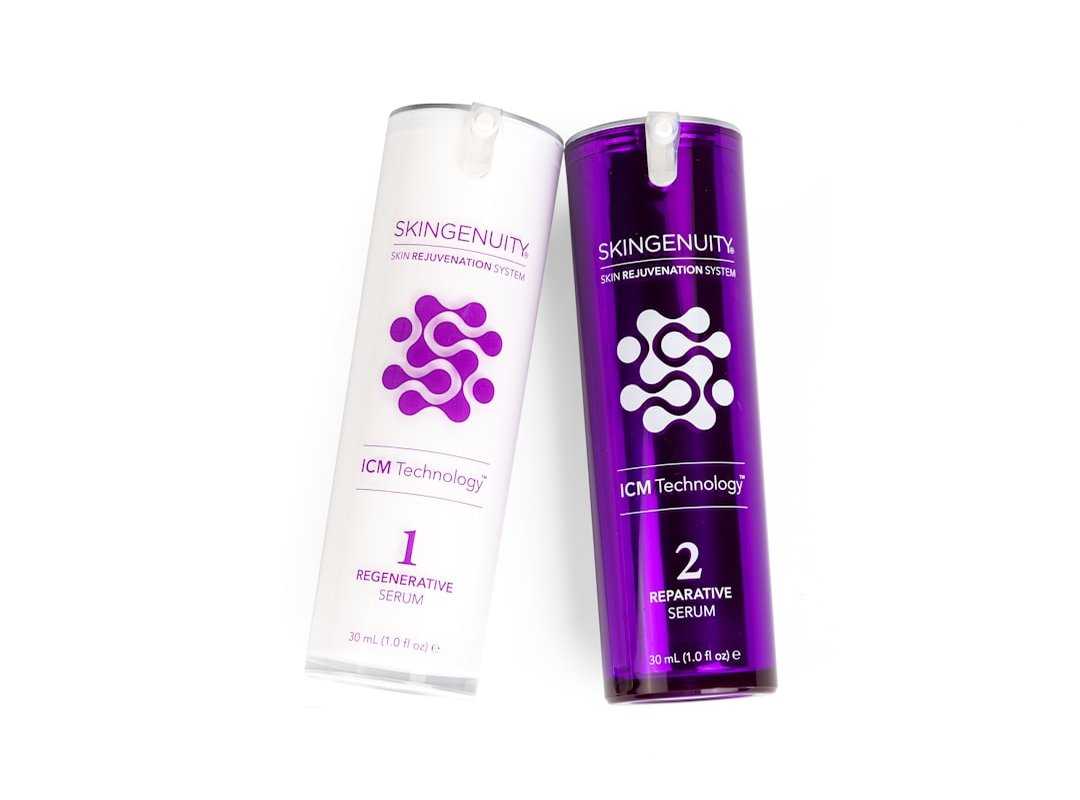
So, how do we maintain this peace?
Step 1: Rethink your cleanser. If your cleanser feels like sandpaper, dump it. Look for “pH-balanced” or “gentle” on the label.
Avoid sulfates like SLS and those high-foaming formulas. They’re the Darth Vader of skincare, stripping away your skin’s natural defenses. You want your skin to feel like silk after washing, not a sandy desert.
Step 2: Add a pH-balancing toner. In the past, toners were like that weird cousin at family gatherings. Unwanted and confusing.
Today, they’re important. After cleansing, your skin’s pH needs a little nudge back to normal. Tap water can mess with this.
A good toner recalibrates everything, keeping your skin calm and collected. Think of it like a reset button.
Step 3: Feed your face the right stuff. Ceramides, hyaluronic acid, niacinamide (these) are the Avengers of skincare. Ceramides build up your skin barrier, hyaluronic acid hydrates, and niacinamide calms.
Together, they create balance and fend off villains like dryness and irritation. It’s a simple recipe for healthy skin harmony.
Step 4: Seal the deal with sunscreen. Daily. No exceptions.
UV rays are constant. They wreak havoc, weakening your skin’s natural shield and throwing off your pH. A broad-spectrum SPF is your armor.
It’s like an invisible forcefield against sun damage.
Now, as you piece together your skincare routine, decoding skincare ingredient labels is key. Understanding what goes into your products lets you make smarter choices. Don’t just grab the latest trending serum because TikTok said so.
Know what’s in it.
Remember, skin care isn’t just about looking good today. It’s about setting yourself up for success tomorrow. So, are you ready to face the world with balanced skin?
Let’s keep it that way. Your skin will thank you.
Skin pH Myths: Let’s Set the Record Straight
Ever felt your skin so tight it could crack after washing? That’s not good. That “squeaky clean” feeling is a myth.
It’s a sign your acid mantle has been stripped. Your skin pH balance is off, leaving it vulnerable to irritation. I remember the first time I learned this the hard way.
My skin was angry for days. Not fun.
And don’t even get me started on alkaline water. People rave about it, but it won’t change your skin’s pH. Seriously.
Your skin’s pH is regulated by your body, not by what you drink. I tried it (of course I did), but science says no dice.
Now, DIY skincare? It’s tempting, I know. But using baking soda or lemon juice?
Big mistake. They mess with your skin’s pH like nobody’s business. I tried a baking soda scrub once (never again).
It was a disaster. Keep it simple. Your skin will thank you.
Open up Radiant Skin
Frustrated with endless skin issues? You’re likely facing a single root cause: pH imbalance. Trust me, skin pH balance is the game changer.
Use gentle, pH-friendly products to support your skin’s natural barrier, working with it rather than fighting against it. Achieving equilibrium is the biggest step toward lasting skin health. You’re not alone.
Dive into more skincare science and modern beauty techniques. Want radiant, healthy skin? The answer’s simple.
Start with understanding your skin’s needs. Explore more at higossis.net. Your skin deserves it.
Ready to make the change? You’ve got the tools. Now take the leap.
 There is a specific skill involved in explaining something clearly — one that is completely separate from actually knowing the subject. Ricardofads Flagg has both. They has spent years working with everyday glam hacks in a hands-on capacity, and an equal amount of time figuring out how to translate that experience into writing that people with different backgrounds can actually absorb and use.
Ricardofads tends to approach complex subjects — Everyday Glam Hacks, Gossis Aesthetic Techniques, Modern Beauty Basics being good examples — by starting with what the reader already knows, then building outward from there rather than dropping them in the deep end. It sounds like a small thing. In practice it makes a significant difference in whether someone finishes the article or abandons it halfway through. They is also good at knowing when to stop — a surprisingly underrated skill. Some writers bury useful information under so many caveats and qualifications that the point disappears. Ricardofads knows where the point is and gets there without too many detours.
The practical effect of all this is that people who read Ricardofads's work tend to come away actually capable of doing something with it. Not just vaguely informed — actually capable. For a writer working in everyday glam hacks, that is probably the best possible outcome, and it's the standard Ricardofads holds they's own work to.
There is a specific skill involved in explaining something clearly — one that is completely separate from actually knowing the subject. Ricardofads Flagg has both. They has spent years working with everyday glam hacks in a hands-on capacity, and an equal amount of time figuring out how to translate that experience into writing that people with different backgrounds can actually absorb and use.
Ricardofads tends to approach complex subjects — Everyday Glam Hacks, Gossis Aesthetic Techniques, Modern Beauty Basics being good examples — by starting with what the reader already knows, then building outward from there rather than dropping them in the deep end. It sounds like a small thing. In practice it makes a significant difference in whether someone finishes the article or abandons it halfway through. They is also good at knowing when to stop — a surprisingly underrated skill. Some writers bury useful information under so many caveats and qualifications that the point disappears. Ricardofads knows where the point is and gets there without too many detours.
The practical effect of all this is that people who read Ricardofads's work tend to come away actually capable of doing something with it. Not just vaguely informed — actually capable. For a writer working in everyday glam hacks, that is probably the best possible outcome, and it's the standard Ricardofads holds they's own work to.