
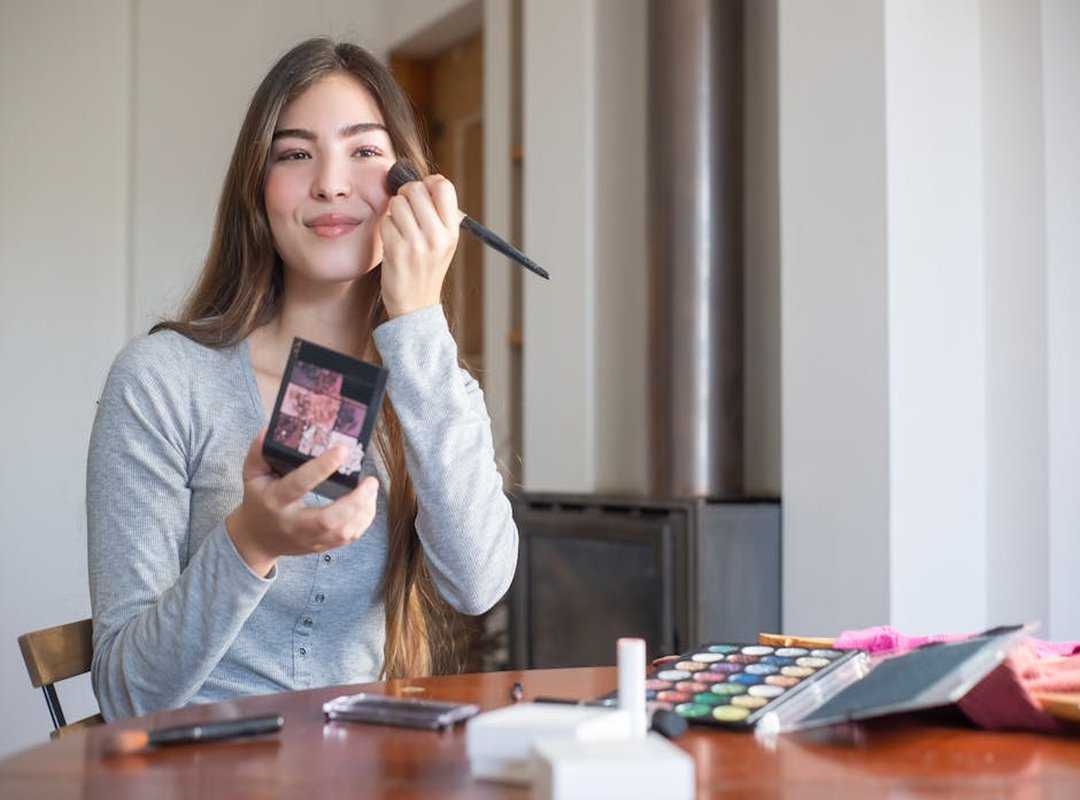
Walking into a beauty store can feel like facing an avalanche. Brushes, sponges, gadgets everywhere. You might wonder, “What do I really need?” You’re not alone.
This guide is here to cut through the chaos, focusing on makeup tools beginners actually need. Forget the trendy fluff. I’ve tried them all, and we’re sticking to what works.
Real results. No gimmicks. You want confidence, not clutter.
This isn’t just another list; it’s a practical, affordable starter kit that makes sense. Ready to simplify your makeup routine? and build something that truly works for you.
The Core Four: Can’t-Start-Without Tools
Let’s talk essentials. These are the makeup tools beginners absolutely need. Forget the fluff.
These are non-negotiables for any basic look.
First up, a high-quality makeup sponge. This little tool is magic. It gives you the smooth, skin-like finish that brushes can’t.
Why does it work? Simple. It presses the product into your skin rather than just smearing it around.
Here’s a tip: always use it damp. Squeeze it under water, wring it out, and then bounce it on your face. Trust me, your foundation and concealer will look flawless.
Oh, and choosing the right shade matters too. Check out how to choose the right foundation shade for more details.
Next? A good eyelash curler. Honestly, it’s the fastest way to look awake.
Curled lashes open up your eyes, making them pop even before mascara. Look for one with a rounded pad and a comfortable grip. If it’s pinching, ditch it.
You deserve a tool that works with you, not against you.
Now, don’t underestimate a precise pair of tweezers. Seriously. Grooming those stray brow hairs can frame your face beautifully.
You want tweezers with a slanted tip for precision. Those fine hairs don’t stand a chance. I can’t stress this enough: your brows are the frame of your face.
Keep them tidy.
Lastly, the basic makeup brushes (just) the ‘Hero’ Trio. You don’t need 20 brushes cluttering your drawer. A fluffy blending brush for eyes, an angled blush brush for cheeks, and a flat shader brush for eyelids.
That’s it. This trio sets you up for any look. We’ll dive deeper into brushes next time, but start here.
These are the backbone of your kit.
So there you have it. The Core Four. No fluff, just essentials.
Get these tools and you’re ready to conquer any look.
Brush Breakdown: Decoding Important Tools
Let’s cut to the chase. If you’re a beginner, picking the right brushes is like trying to get through a new city without a map. You don’t need a hundred brushes (just) a few smart choices can make you look like a pro.
First, the basics: synthetic vs. natural bristles. Synthetic brushes are your go-to for liquids and creams. They’re like the workhorse of your makeup kit.
Natural bristles? Perfect for powders. They pick up just the right amount and glide like a dream across your skin.
You want specifics? Let’s dive into it.
Foundation Brush: You need a dense, flat-top kabuki brush. It’s designed to buff liquid or cream foundation into your skin. The finish? Airbrushed and flawless. Sure, makeup sponges have their place, but they tend to soak up more product than they should. A brush gives you more control.
Powder Brush: Opt for a large, fluffy one. It’s all about setting your makeup without making your face look like a cake. Just a light dusting is all you need, and this brush makes it happen effortlessly.
Blush/Bronzer Brush: Smaller and softer, usually angled or dome-shaped. This brush hugs your cheekbones (like a good friend) and adds a natural flush of color. The secret is in the shape. It helps you apply with precision.
Now, let’s talk eyes.
Blending Brush: This is your best friend in the eye department. A fluffy, tapered brush that softens harsh lines and blends eyeshadow like a boss. It’s the magic wand for your crease.
Packer/Lid Brush: Flat and dense. Its job is simple. Pack eyeshadow onto your lid for maximum color payoff. Less fallout means less mess. Who doesn’t want that?
Detail Brush: Think small and mighty. It’s a pencil or angled brush, perfect for smudging liner along the lash line or applying brow powder with laser-like precision.
For a more in-depth look at beginner makeup essentials, check out this guide. It’s packed with tips for makeup tools beginners truly need.
And there you have it. No fluff, just the essentials. Now go on, conquer that makeup world with confidence!
Level Up: Polish Your Look with the Right Tools
So you’ve got the basics down. What’s next? It’s time to step up your game with some important tools that every beginner needs.
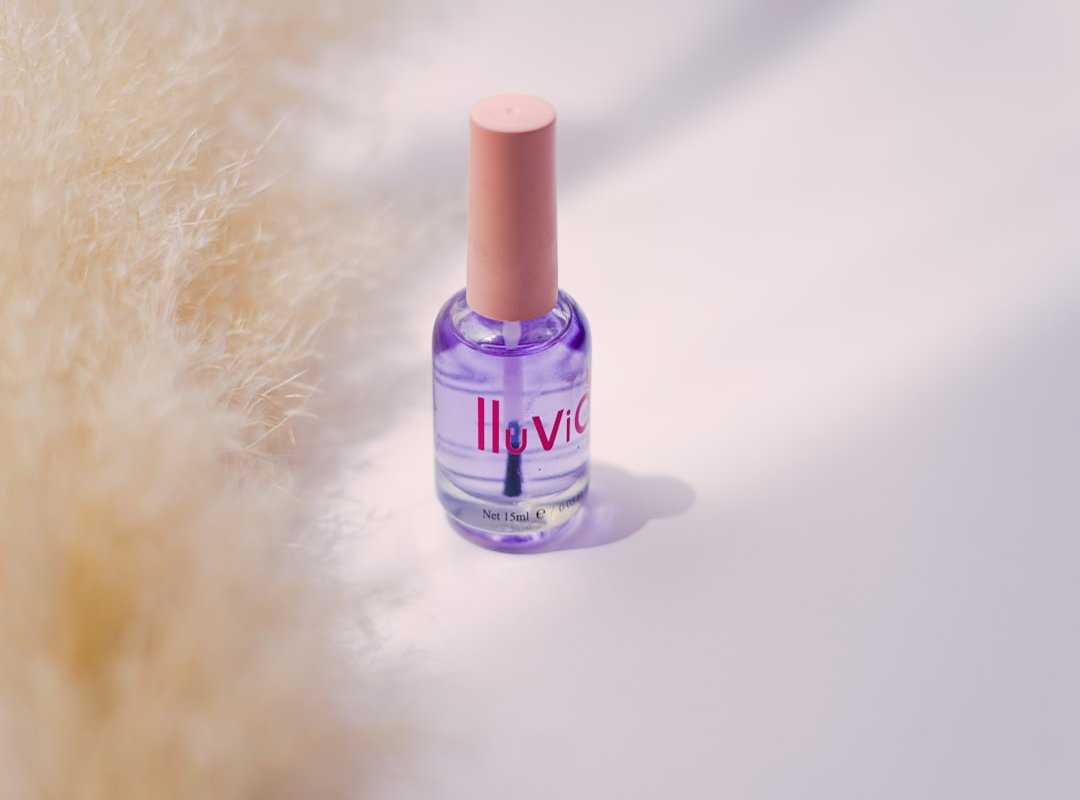
Let’s talk about a spoolie brush. This little tool is magic for your eyebrows. It keeps them neat and blends brow product like a dream.
And don’t underestimate the power of a good pencil sharpener. You need a dual-barrel one. Yes, really.
Plus, it’s fantastic for de-clumping mascara. Who knew such a simple brush could do so much?
It fits both standard and jumbo eye or lip pencils. Precision is key in makeup, and a sharp tip makes all the difference.
Now, let’s chat about the velour powder puff. Brushes are great, but they can’t press powder into the skin the way a puff can. Want that smooth, long-lasting finish under your eyes?
Use a puff. It’s a technique that modern beauty gurus swear by.
Then there’s setting spray. You might wonder, do I really need it? Think of it as hairspray for your face.
It melts powders together, locks everything in place, and keeps you looking fresh for hours. It’s a game-changer, especially for long days or nights out.
Feeling ready to dive deeper into the world of beauty? Check out these Must Have Beauty Ingredients. You’ll find it’s not just about tools, but what’s in your products too.
Keep experimenting and leveling up your skills. Makeup’s a journey, and with these tools, you’re on the right path.
Tool Care 101: Keep It Clean and Effective
Clean tools aren’t just nice; they’re non-negotiable. Why? Better makeup application and avoiding breakouts.
Let’s be real. Who wants bacteria infesting their beauty kit?
Start with brushes. Use a gentle cleanser or baby shampoo (yes, really) and lukewarm water. Swirl the brush on your palm, rinse until the water runs clear.
Now, sponges. They need washing after each use. Soak them in water, apply cleanser (solid or liquid), and squeeze until the water’s clear.
Gently squeeze out the excess and reshape the bristles. Lay them flat to dry. Easy, right?
It’s a bit of a workout, but worth it. Trust me.
Here’s the schedule to live by: sponges every use, foundation brushes weekly, and powder plus eye brushes every one to two weeks. It’s not just for the pros. It’s a must for makeup tools beginners.
Because dirty tools are not your friend.
Simplify Your Beauty Routine Today
You’ve got it now. A no-fluff guide to makeup tools beginners need. The beauty aisle won’t confuse you anymore.
Remember, it’s not about having the most tools. It’s about having the right ones. Start small.
Quality over quantity.
Choose a tool from the ‘Core Four’ this week. Practice. It’s time to level up your technique.
Why wait? You’ve got the solution in your hands. Feel confident.
Less confusion, more beauty.
Ready to transform your routine? Dive in and see the difference. Your perfect kit starts with just one step.
Purchase one item today.
 There is a specific skill involved in explaining something clearly — one that is completely separate from actually knowing the subject. Wandamisteca Downey has both. They has spent years working with everyday glam hacks in a hands-on capacity, and an equal amount of time figuring out how to translate that experience into writing that people with different backgrounds can actually absorb and use.
Wandamisteca tends to approach complex subjects — Everyday Glam Hacks, Gossis Aesthetic Techniques, Modern Beauty Basics being good examples — by starting with what the reader already knows, then building outward from there rather than dropping them in the deep end. It sounds like a small thing. In practice it makes a significant difference in whether someone finishes the article or abandons it halfway through. They is also good at knowing when to stop — a surprisingly underrated skill. Some writers bury useful information under so many caveats and qualifications that the point disappears. Wandamisteca knows where the point is and gets there without too many detours.
The practical effect of all this is that people who read Wandamisteca's work tend to come away actually capable of doing something with it. Not just vaguely informed — actually capable. For a writer working in everyday glam hacks, that is probably the best possible outcome, and it's the standard Wandamisteca holds they's own work to.
There is a specific skill involved in explaining something clearly — one that is completely separate from actually knowing the subject. Wandamisteca Downey has both. They has spent years working with everyday glam hacks in a hands-on capacity, and an equal amount of time figuring out how to translate that experience into writing that people with different backgrounds can actually absorb and use.
Wandamisteca tends to approach complex subjects — Everyday Glam Hacks, Gossis Aesthetic Techniques, Modern Beauty Basics being good examples — by starting with what the reader already knows, then building outward from there rather than dropping them in the deep end. It sounds like a small thing. In practice it makes a significant difference in whether someone finishes the article or abandons it halfway through. They is also good at knowing when to stop — a surprisingly underrated skill. Some writers bury useful information under so many caveats and qualifications that the point disappears. Wandamisteca knows where the point is and gets there without too many detours.
The practical effect of all this is that people who read Wandamisteca's work tend to come away actually capable of doing something with it. Not just vaguely informed — actually capable. For a writer working in everyday glam hacks, that is probably the best possible outcome, and it's the standard Wandamisteca holds they's own work to.